VPS Operations Guides
Practical VPS operations: Nginx and Traefik reverse proxies, SSL renewals, security hardening, backups, monitoring, homelab and Proxmox runbooks.
VPS Operations Guides

AI-assisted beginner deployments need a source-of-truth checklist before hosting breaks
Several fresh beginner threads point at the same gap between AI-generated instructions, website builders, GitHub, and real hosting. One user moved from Hostinger Horizon to Cursor/GitHub/Supabase to avoid higher builder pricing, but cannot tell why changes…

AI-assisted self-hosting breaks when logs, installers, and runtime state cross layers
Fresh support threads show a useful content angle: AI and docs can get users most of the way through self-hosting, but the hard failures happen across boundaries. One user spent two days trying to install uCore/CoreOS in a Proxmox VM with qcow2 and ignition…

Beginner homelabs need an app-first checklist before buying storage, servers, or noisy rack gear
Very fresh homelab and self-hosted threads keep showing beginners choosing hardware before they have a stable application plan. One user already runs Immich and Jellyfin on an old laptop but is unsure what storage size, drive class, and server path fit a…
Beginners need one exposure model before mixing tunnels, reverse proxies, VLANs, and Tailscale
Fresh self-hosting threads show beginners combining the right words without a safe operating model. One new self-hoster wants Minecraft, Jellyfin, Tailscale, maybe NAS/cloud storage, Nginx, Cloudflare tunnels or DDNS, Docker or VLANs, fail2ban, firewall…
Container monitoring is moving from uptime dashboards to egress policy, backup-state widgets, and service-level proof
Fresh self-hosting posts point to a more specific monitoring need than simple green/red uptime. One homelab user running rootless Podman quadlet services wants per-container outbound blocking, domain allowlists, and traffic visibility but cannot see how to…
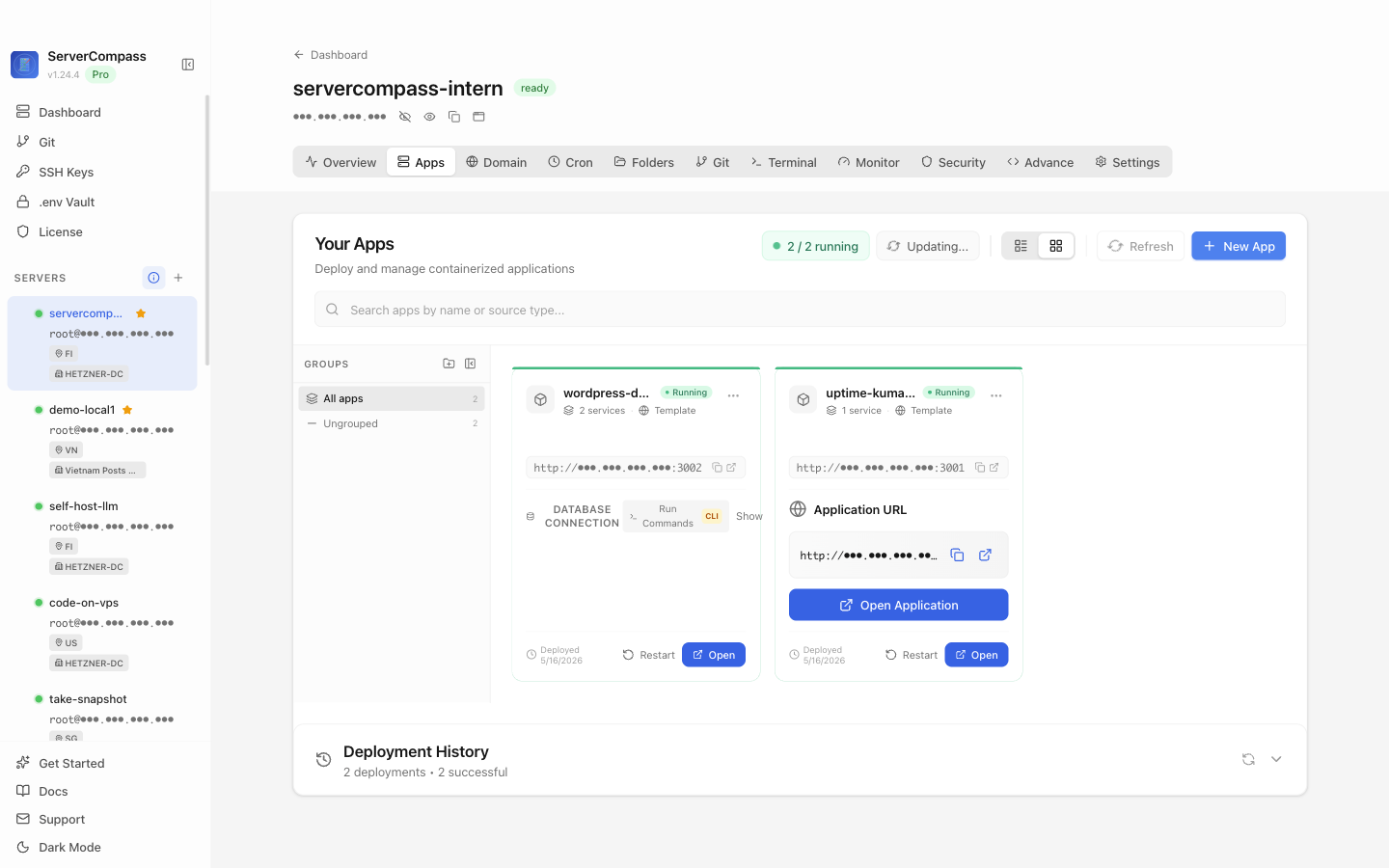
Small web app owners need deployment edge checks for domains, CORS, certificates, and managed-hosting handoffs
Fresh webdev and hosting threads show solo builders struggling at the boundary between app code and the platform edge. A MERN app with a Docker backend on Hugging Face Spaces and a Vercel frontend broke because an edge/proxy layer stopped returning the…
Small self-hosted sites fail at domain, media, Cloudflare, and app-runtime edges before the app idea fails
Fresh WordPress, Ghost, and self-hosted app threads show non-enterprise operators getting stuck around the deployment edges: domains that do not attach cleanly, media management after a migration, Cloudflare/page-load behavior, and self-hosted search tools…
First-time self-hosted app launches need preflight maps before Docker, hosting plans, and per-client stacks
Fresh Reddit threads show beginners and small freelancers getting blocked before the application itself is the hard part. One Immich beginner wants to run it on Windows but gets stuck at Docker prerequisites. A Next.js freelancer is planning a separate app…
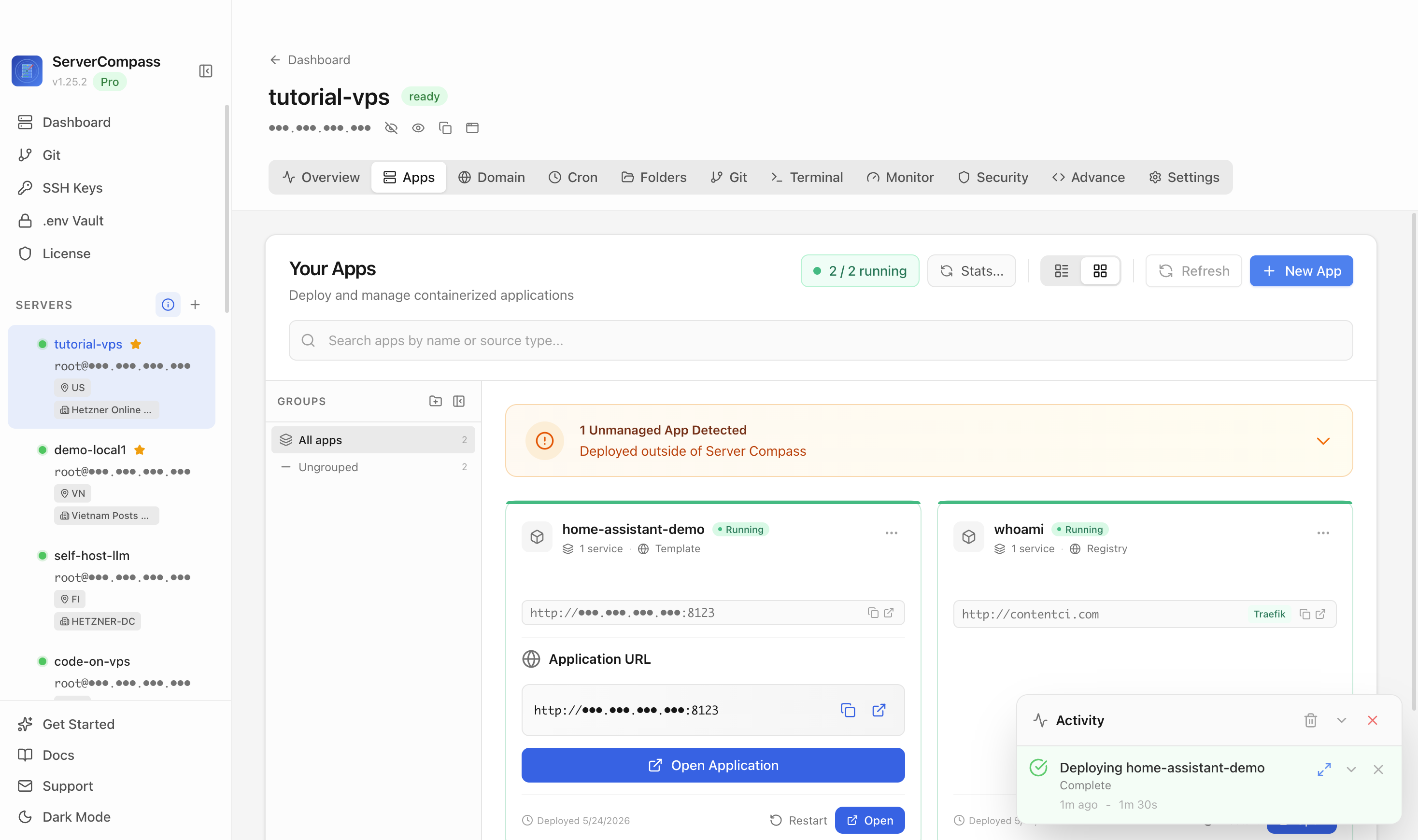
Home Assistant reliability needs event evidence before adding Proxmox, Frigate, or auto-remediation
Recent Home Assistant threads show operators trying to decide whether more infrastructure will help when the missing piece is often evidence. One user with a stable bare-metal Home Assistant mini PC is adding cameras and wonders whether Proxmox or Frigate is…
- Power, solar, UPS, and DNS roles are becoming first-class homelab monitoring targetsRecent home-ops threads show monitoring expanding beyond whether a web app responds. Operators want to catch solar-panel variance, UPS and power-failure risk, fixtures killing devices after flashes, and whether a backup Pi-hole still boots into the right…
- Home-server reliability starts with UPS shutdowns, tested boot media, and rollback paths before the next rebootFresh homelab and Unraid posts show reliability pain clustering around the parts operators only test during failures: UPS/NUT compatibility and safe shutdown timing, Unraid 7.3.1 boot-device hangs, ZFS-to-Btrfs recovery after corruption and kernel panics…
- Restarting a Jellyfin homelab on TrueNAS, ZimaOS, or Ubuntu is an app-data and rollback decision firstFresh homelab and NAS threads show operators treating OS choice as a clean install question when the real risk is app-data ownership, boot-device recovery, and rollback after the first reboot. A ServerCompass article can frame OS selection around where…
- Small teams need a safe sequence for turning manual server edits into deployable operationsFresh webdev and DevOps threads show small teams outgrowing hand-maintained servers. One new DevOps hire inherited Laravel and Node apps where .env files, Nginx configs, dependencies, background jobs, secrets, database changes, and logs all live partly…
- Media servers moved into VMs and containers need mount and client-resume proof before family users rely on themFresh Jellyfin, Plex, and media-server threads show that a media stack can look installed while still failing at the boundary users actually hit. One Jellyfin user runs the server in a NAS container and can start playback, but the desktop app on Bazzite…
- Automation builders need VPS sizing checks before moving n8n and databases out of Docker DesktopFresh n8n threads show small automation builders leaving local Docker Desktop and immediately hitting provider and resource-sizing uncertainty. One user wants to run n8n, Qdrant, Postgres, and Gotenberg on a production-like VPS without overpaying or…
- NAS-hosted Jellyfin failures cluster around bind mounts, library state, and update rollbackFresh Jellyfin and self-hosting posts show the same operator pain from multiple angles: the media server is running, but the boundary between Docker, NAS paths, and app state is fragile. One new self-hoster cannot deploy a Portainer/Jellyfin stack because…
- Pi-to-NAS migrations need app-data and restore plans before RAID shoppingFresh homelab threads show users trying to move from small Raspberry Pi or improvised storage setups into dedicated NAS hardware while still deciding how app data, media, RAID, and backups should work. One operator wants to migrate a Pi NAS with Docker…
- Plex-to-Jellyfin migrations need library integrity and client-connection checks before the cutoverFresh Jellyfin and Immich threads show that media-server migration risk is not only about copying files. One user is moving from Plex to Jellyfin and sees music albums missing even though folders, permissions, and rescans look right. Another has Roku clients…
- Proxmox and NAS rebuilds need storage ownership decisions before the apps moveSeveral fresh homelab posts are really asking the same preflight question: who owns storage when the server is rebuilt? One Proxmox user is reinstalling across three SSDs before hosting OPNsense, Vaultwarden, Omada, Pi-hole, VPN, and other services. Another…
- Reverse-proxy success needs application-level proof, not just a working domainFresh Reddit threads show self-hosters getting past the first domain or certificate milestone, then discovering that the application path is still broken. One Nextcloud snap user can reach the main app through a Synology reverse proxy, but Collabora…
- Self-hosted backup confidence breaks on quota, snapshot, and boot-device semantics rather than copy commandsRecent TrueNAS, Proxmox, and Unraid posts show that backup anxiety is often caused by hidden platform semantics, not a missing rsync command. One TrueNAS user sees a Proxmox backup dataset reporting far more used space than its quota while daily snapshots…
- Self-hosted document, photo, and media libraries need data-shape planning before the app choiceA cluster of fresh self-hosted, Immich, and Jellyfin threads shows users stuck less on installation and more on how their real data should be organized: medical receipts, split photo archives, shared albums, kids libraries, and music loudness. This supports…
- Self-hosted edge fixes need causal proof across mDNS, ACME, Caddy callbacks, and intermittent 404sFresh posts keep separating “the change worked once” from “the edge path is understood.” A Home Assistant user got IKEA Matter devices working after changing UniFi mDNS settings but still does not know why. A DevOps post says HAProxy ACME issuance worked…
- Self-hosted monitoring buyers want logs, health, certificates, canaries, and local AI in one actionable workflowA fresh n8n thread asks how to build a self-hosted monitoring project that pulls server, app, network, security, and resource signals into Grafana-style views and uses local Ollama analytics. Nearby threads show adjacent operators solving narrower monitoring…
- Self-hosted app upgrades need reversible database and boot-media plans before the next updateFresh threads keep showing upgrade risk at two layers: application data and the host boot path. An Immich user is staying on a custom Docker image because the database migration has no reverse path. An Unraid user describes data corruption, daily backup…
- Unraid operators need boot, network, and rollback proof before trusting a recovered serverSeveral recent Unraid threads show home-server failures where the array or app stack may be fine but the operator lacks a verified recovery path. One server loses network every day even after a NIC and cable swap. Another becomes unresponsive through the web…
- The Smallest-Viable Production Runbook for a Web AppYou were hired to write the frontend and inherited Docker, DNS, SSL, secrets, the database, and the pager. Here are the five questions every deployed web app has to answer — written down once so you stop rediscovering them during incidents.
- A Pre-Drive-Swap Checklist for Home Servers: Know Your Boot Media and App-Data Before You Pull a DiskSwapping a disk in a home server should be a ten-minute job. It turns into a weekend outage when you pull the wrong drive, lose an appdata volume, or break the array because you never mapped which disk does what. Here is the preflight to run before you touch the hardware.
- Self-Hosted n8n: The OAuth Callback URL Checklist Before Your Credentials FailYour self-hosted n8n container is running, you add a Google credential, and OAuth dies with redirect_uri_mismatch. It is almost never the credential — it is the callback URL n8n hands the provider, and the env vars and reverse-proxy headers that decide what that URL says.
- Your First Proxmox VM Can Wait: Get DNS, DHCP, Console Access, and Storage Right FirstMost first-time Proxmox pain has nothing to do with VMs. It is a host that cannot resolve names, an IP that moves on the next reboot, no way back in when the web UI is down, and VM disks dumped on the wrong storage. Fix those four layers before you create a single VM.
- If You Ship a Self-Hostable App, Your Deployment Docs Need This ChecklistMaintainers ship great Docker images and then watch users break on the first production install — SSL, env files, backups, upgrades, rollback. A deployment-docs checklist that survives real installs.
- Beyond Uptime: Monitoring the Real World — UPS, Floods, and Camera StreamsYour homelab can watch more than its own services. People use it to catch basement floods, UPS failures, and front-door events. How to add real-world monitoring without overbuilding a NOC.
- Immich Post-Install Diagnostics: Volume Mounts, Sidecars, Timezones, and the Database BoundaryImmich is installed but misbehaving — the ML sidecar can't see your photos, timestamps are off by hours, an upgrade complains about the database. A diagnostics checklist for the volume and DB boundary.
- Before You Upgrade a Home Server, Make Sure You Can Still Get Back InA small network or bootloader mistake during an upgrade can lock you out before the app layer even matters — and a remote box is hard to fix when you can't reach it. A pre-upgrade access preflight.
- An Arr-Stack Deployment Map: Where Sonarr, Downloaders, and Jellyfin Should LiveThe arr stack breaks for beginners before the first deploy — nobody tells them where the torrent client, bind mounts, and media server should actually live. A deployment map that keeps paths consistent.
- A Passthrough Preflight for Proxmox: IOMMU, Boot Order, and Hardware IsolationStacking GPU passthrough, an HBA to a TrueNAS VM, and LXC AI workloads on one Proxmox box works until a reboot reshuffles everything. A preflight for IOMMU groups, driver placement, and boot order.
- Running Your Router in a VM? Check These Failure Modes Before Apps Depend on ItVirtualizing OPNsense on the same Proxmox box that runs your apps is elegant until a host reboot takes the whole network — including your way back in — down with it. The failure modes to plan for.
- Lost HTTPS After a Network Change? A SWAG and Let's Encrypt Recovery ChecklistImmich or Jellyfin loses HTTPS after an ISP change or a simple network move, and the SWAG logs are a wall of ACME errors. A recovery checklist that starts at DNS and ends at a renewed cert.
- Moving From Cloud to Homelab? Draw the Compute and Storage Boundaries FirstLeaving rented cloud for self-hosted gear is exciting until you're staring at a NAS, a DAS, and a Proxmox box wondering what goes where. A decision tree for compute and storage boundaries before apps move home.
- Your First Home Server: The OS and Storage Decisions That Decide EverythingBeginners can install one app, then stall on the questions that actually matter: which operating model, where the data lives, and what survives growth. A first-week path that won't trap you.
- Multi-Terabyte Media Libraries Need a Tiered Backup Policy, Not All-or-NothingYou back up app state religiously and freeze on the photo and media library — too big to replicate, too precious to lose. A tiered policy: what gets full backup, what gets cold storage, what gets re-ripped.
- Proxmox Disaster Recovery: Plan the Full-Host Restore Before the Host DiesHaving PBS backups isn't a recovery plan. When a Proxmox host dies, freezes, or must be rebuilt on new hardware, you need the whole path written down — host config, VM state, storage, and order.
- Leaving SaaS for a One-Box VPS? Launch It Behind These GuardrailsChoosing root access and a one-box Docker stack to escape SaaS is the easy part. The launch checklist — provider, backups, deploys, monitoring — is what keeps the box from becoming a liability.
- When You're the Whole Platform Team: A Solo DevOps Operating ModelOne person ends up owning deploys, observability, DNS, SSL, and Traefik with no operating model. A durable runbook-driven approach so being the only platform owner doesn't mean being the single point of failure.
- Family Self-Hosters Need a Backup and Rollback Preflight Before Every App UpgradeWhen the household depends on your server, a bad upgrade isn't a hobby setback — it's everyone's photos and files down. A two-minute backup-and-rollback preflight before you hit update.
- Jellyfin on Linux: Choosing Between Docker Compose, Portainer, and a TemplateBeginners stall on the first decision — how to actually deploy Jellyfin. Raw Compose, Portainer's UI, or a one-click template? A clear comparison so you pick once and move on.
- A Safer Reverse-Proxy Decision Tree for Self-Hosted Media AppsShould Jellyfin and Immich be public behind a reverse proxy, private over a VPN, or both? A decision tree that weighs privacy, family access, and streaming bandwidth instead of guessing.
- Self-Hosted Operators Want Monitoring Beyond a Basic Uptime CheckA green 'it responds' check misses expired certs, broken logins, silent data staleness, and slow-but-up services. What real public-service monitoring looks like beyond a ping.
- Small Next.js Apps Are Getting Priced Out of Vercel Plus Its Add-OnsA hobby Next.js app on Vercel is free until you add a database, cron, and bandwidth — then it's $40+/month. When moving the small app to a VPS makes sense, and what you take on.
- Traefik Migrations Keep Failing at the Edge Where Cloudflare and App Routing MeetMoving to Traefik breaks in a predictable place: the seam between Cloudflare's edge and Traefik's routing — redirect loops, wrong client IPs, and certs that won't issue. How to fix the seam.
- Container-First Linux Troubleshooting: A Logs, Process, and Network Path for VPS AppsTroubleshooting a containerized app on a VPS isn't classic Linux debugging — the process, logs, and network live one layer in. A repeatable path from 'it's broken' to the actual cause.
- Immich Upgrade Anxiety Is Really a Database-Restore ProblemEvery Immich release note warns about breaking changes, and a generic file backup won't save you. The thing that makes Immich upgrades calm is a tested database restore, not crossed fingers.
- Jellyfin Docker Troubleshooting: From Library Scans That Miss Files to Reading the LogsMost Jellyfin problems are one of three things — a library scan that won't see files, hardware transcoding that isn't, or playback that fails. A path from symptom to the right log line.
- Observability Migrations That Don't Hand You a Surprise Query BillSmall teams leaving a hosted observability vendor often trade a data bill for a query bill. How to migrate to Grafana/Prometheus/Loki without metering yourself into the same trap.
- Planning a First Proxmox Server That Bundles Media, Photos, Backups, and LoggingFirst-time Proxmox builds now try to do everything at once — Jellyfin, Immich, backups, and monitoring on one box. A planning order that keeps that ambition from collapsing under itself.
- Proxmox Recovery When the VM Console Freezes but SSH and Apps Still WorkThe noVNC console is black and unresponsive, yet the VM's apps answer and SSH works fine. Counterintuitively, that's good news — here's how to recover without a risky hard reset.
- Self-Hosted Music Servers Need a Web-First Deployment Path Across Mobile and DesktopYour music library should play in a browser, on your phone, and on the desktop — from one self-hosted server. How to deploy Navidrome (or similar) web-first so every client just works.
- The Last Mile of Alerting: Where Uptime Kuma, n8n Triggers, and Your Pager DisagreeYour monitoring detects the outage perfectly and the alert still never reaches you. The last mile — delivery, dedup, escalation — is where homelab alerting actually breaks.
- Beginners Don't Want a Docker Tutorial — They Want FreshRSS and n8n RunningThe fastest way to lose a new self-hoster is to make them learn Docker before they get anything working. App-first install paths put the win first and the concepts later.
- When a Budget Homelab Beats a Pile of Small VPS Bills — and When It Doesn'tBeginners are swapping $5/month VPS instances for one mini PC running a mixed stack. Sometimes that's smart, sometimes it just moves the cost to your time. How to decide.
- Media Servers Keep Hitting the Same Three Walls: Proxmox Passthrough, GPU Sizing, StorageJellyfin and Immich on Proxmox run into the same trio every time — GPU passthrough that won't stick, transcoding sized wrong, and storage that fights the hypervisor. Clear each wall.
- Nextcloud in Production Needs Preflights for CPU Spikes, Backups, and SMTPA fresh Nextcloud feels fine and then chokes — preview generation pins the CPU, the backup was never real, password resets bounce. The preflights that make it production-grade.
- Proxmox Backup Planning Has Moved From 'Install Tutorials' to Selective OffsiteYou've got Proxmox Backup Server running — now the real question. Not everything deserves an offsite copy, and backing up everything wastes space and money. How to back up selectively.
- Proxmox Migrations Need Confidence Checks for Host Crashes and Storage LatencyMoving VMs and containers between Proxmox hosts works in the demo and bites in production — a crash mid-migration, latency that corrupts, a cluster that won't quorum. The checks that de-risk it.
- Docker Deployment Is Shifting Toward Testing the Exact Image Before Rollout'Works on my machine' is back as 'works on the tag I tested, not the one that deployed.' Pinning and promoting the exact image digest is how teams stop deploying surprises.
- Why VPS Rebuild Automation Feels Fragile — and How to Make It TrustworthyYou automate the VPS rebuild with Ansible and Compose, and it still feels like it might not come back. The fragile parts are usually Traefik, mail, and state — here's how to harden them.
- The Hidden Prerequisites Docker Compose Setup Scripts Keep MissingA Compose file isn't a full deployment. Setup scripts skip the kernel modules, sysctls, host directories, and permissions an app needs — and the failure shows up after 'it started'.
- Homelab Database Sprawl: The Problem That Arrives After Docker App SprawlEvery self-hosted app ships its own Postgres or MySQL, and soon you're running eight database containers you can't name. How to consolidate without coupling apps together.
- Immich Behind a Reverse Proxy: The App-Specific Edge Cases That Break ItImmich works on localhost and then fails behind nginx or Traefik — large uploads rejected, WebSockets dead, the app convinced it lives on the wrong URL. The Immich-specific fixes.
- An Easy Immich Install Path for People Who Don't Live in a TerminalImmich's power scares off the people who'd benefit most. A gentler install path that skips the hand-edited Compose file and still lands a real, updatable, backed-up instance.
- OS End-of-Life Migrations Expose How Fragile a Multi-App VPS Really IsA single-box VPS running eight apps is fine until the OS hits end of life and every app must move at once. How to make the OS-EOL migration boring instead of terrifying.
- Self-Hosted AI Turns Capacity Planning Into a Deployment ProblemAdding a local LLM to your homelab isn't installing an app — it's a capacity decision. How to size the host (RAM, VRAM, disk, thermals) before the model decides for you.
- Self-Hosted Runbooks Fail When One Person Owns the Config Behind the 2am PageYour homelab's bus factor is one, and that one is asleep at 2am. How to write runbooks and share access so a service outage isn't a single-person emergency.
- WebSocket-Specific Checks to Run Before Rolling a Realtime App DeployRealtime apps pass an HTTP health check and still drop every live connection on deploy. The WebSocket-specific checks that catch it before your users do.
- Moving Immich and Nextcloud Data Without Corrupting App-Owned StateCopying an app's files by hand is how migrations break. Immich and Nextcloud own a database and an index alongside the files — move all of it together, or not at all.
- Splitting App Storage from Bulk Storage on a NAS-plus-Mini-PC HomelabThe NAS-plus-mini-PC combo only stays fast and reliable if you decide early what lives on the SSD and what lives on the spinning pool. A clear split before Docker piles up.
- A Sane Proxmox Storage Plan: TrueNAS, LXC, NFS, and Backups Without OverlapProxmox storage gets risky when a TrueNAS VM, LXC bind mounts, NFS shares, and PBS backups all claim the same disks. A layout that keeps the layers from fighting.
- When Self-Hosted Fleets Outgrow a Single Tunnel: Multi-Site Remote AccessOne WireGuard tunnel is fine for one box. Across several sites and a dozen devices it turns into a mess of overlapping subnets and manual keys. Here's how to scale remote access.
- Sizing Self-Hosted AI and Search Apps: Limits and Timeouts Before You DeploySelf-hosted LLMs, vector stores, and search engines fall over from defaults, not bugs. Set memory limits, timeouts, and disk headroom before the first deploy.
- Storage Guardrails for USB-DAS Mini-PC Servers Before Your First Docker StackA mini PC with a USB direct-attached drive is a great cheap server until a power blip or a sleeping disk corrupts a database. Set the storage guardrails before the first container.
- Reaching Your Self-Hosted Apps Behind CGNAT — Without Exposing Port 443CGNAT removes inbound ports, not your options. A decision tree for clean domains and private access to Jellyfin and Immich using VPS relays, Cloudflare Tunnel, Tailscale, and WireGuard.
- Stop Exposing the Docker Socket: Safer Management Boundaries for a HomelabPublishing the Docker socket to your LAN is handing out root on the whole box. Here are safer boundaries: SSH contexts, a scoped socket proxy, and real network segmentation.
- Template Deployments Still Need Logs, Health Checks, and Redeploy ConfidenceOne-click templates make self-hosting faster, but they do not remove the need for logs, verification, rollback, backups, and redeploy drills.
- Coolify logs after Vercel — closing the route-level observability gap without OTelDevelopers leaving Vercel for Coolify hit the same wall: where are the searchable route-level logs? Here's the smallest setup that gets you there without a full OpenTelemetry stack.
- Cron monitoring is really automation failure visibility — get the signal before the stackOperators ask for cron monitoring when what they want is to know that backups, syncs, and cleanups didn't silently fail. The fix starts with heartbeats, not a monitoring platform.
- Dokploy server-to-server migration — volume-safe checklist for Hetzner movesDokploy migrations look like 'export the panel and import on the new server.' The volume question is what makes it actually risky. Here's the volume-safe migration checklist.
- Pi plus NAS — the practical self-host starter if you keep mounts and backups boringA Raspberry Pi paired with a NAS is the right starter stack for self-hosting — but only if you keep the storage paths, mount conventions, and backups boring. Here's the discipline that makes it durable.
- Rollback and alert context in the same place — design for the 3am decisionRollback alone isn't enough when a deploy fails at night. Operators need the health signal, log context, and recovery action wired together so the 3am decision is fast.
- From two-VPS SaaS to observability, rollback, and HA — the maturity arc nobody warns you aboutRunning a SaaS on two cheap VPSes with Compose and WireGuard feels great until the conversation turns to backups, rollback, and observability. Here's the arc, in order, with what to add when.
- Docker health checks: sane defaults for every self-hosted serviceEvery new container gets the same ritual: write a health check, wire up an alert, test it, forget about it. Here are copy-paste health checks for the services you actually run.
- Maintenance windows done right: mute the noise, not the real outagesPlanned upgrades shouldn't spam your alerts. But broad muting hides real breakage. Here's how to set maintenance windows that suppress expected noise while keeping genuine incidents visible.
- PaaS to VPS migration checklist: what Vercel and Railway handled for youMoving off managed PaaS feels liberating until you realize DNS, SSL, env secrets, deploy rollback, and log routing were all invisible. A step-by-step checklist so nothing falls through the cracks.
- Self-Hosted n8n: The Production-Readiness Checklist the Install Guide SkipsYou followed the n8n install guide. The container is running. Production starts ten steps later — backups, restore drills, metrics, version pinning, workflow git history. The five gaps that turn a toy setup into a real one.
- Shared Hosting to VPS Migration: The Rollback Plan Most Guides SkipYou can read every VPS setup guide and still not migrate, because nobody answers the real blocker: if it breaks at 9 PM Saturday, can you put it back? The seven-step cutover where every step has a known rollback.
- Docker Compose Drift: How to Catch Dev/Prod Differences Before They Break Your DeployMost "works on staging, broken on prod" deploys are docker-compose drift — a service name, env var, or network alias that diverged silently across files. A 30-line preflight catches nine in ten before the deploy runs.
- Single VPS to multi-host: the three-rung migration ladderYour single VPS is at 80% RAM and the database is fighting the app for IO. Most guides jump straight to Kubernetes — but there's a pragmatic three-rung ladder, and most teams never climb past rung 2.
- Domain to Port 3000: The Mental Model Every VPS Tutorial SkipsYou bought a domain and your app runs on port 3000, but typing example.com in a browser shows nothing. Here is the full path — DNS, kernel, proxy, app, cert — that every existing tutorial assumes you already understand.
- Intermittent 502s on a Self-Hosted VPS: It's a Stale Proxy UpstreamApps that work for hours, then start failing 502 until you reload the proxy, almost always have a stale upstream — IP drift, DNS cache, or a dropped network attachment. Here's how to diagnose it in 60 seconds and the four fixes that eliminate the bug class.
- Docker Volume Backups Without Restore Drills Are Just HopeMost self-hosters back up Docker volumes nightly and never restore them. A scripted restore drill is what turns a backup into something you can rely on.
- Self-Host a Public Load Balancer? Most Small Teams Need a Reverse Proxy InsteadMost one-VPS teams asking about self-hosting a public load balancer actually need a reverse proxy. Here is the decision framework, the realistic Caddy/Traefik/Nginx/HAProxy tradeoffs, and the no-downtime deploy pattern that does not require a multi-host LB.
- Let's Encrypt Renewed Fine. Your Proxy Still Serves the Old Cert. Here's the Safe Fix.Certificate renewal is only half the job. If Nginx or Traefik keeps the old cert loaded, you need a safe reload pattern, not a full restart roulette.
- When TLS at the Reverse Proxy Is Enough on a Single VPS (and When It Is Not)If Nginx or Traefik terminates HTTPS on the same VPS that runs your app, internal TLS is usually unnecessary. The real question is where the trust boundary sits.
- Why Coolify Deploys Are Slow (And How to Make Them Vercel-Fast)Coolify deploys feel slow because the defaults favour simplicity over speed. Three causes — undersized VPS, no build cache, wrong build strategy — and the fixes.
- Microweber + Dokploy: The 2-Minute Deploy Debugging ChecklistA practical pre-deploy and post-failure checklist for self-hosting Microweber via Dokploy. Catches 80% of common breakage.
- How to Run Multiple Apps on One VPS Without Port CollisionsThe reverse proxy pattern explained for new self-hosters. Why port 80 only fits one app, and how Caddy/Traefik/nginx solve it.
- Stable Tailscale on Linux: A Post-Install Stability and Backup RoutineAuto-start, healthcheck, backup channel, and notification routine to make a Tailscale node you can actually trust to stay reachable.
- Why Docker CORS Errors Keep Coming Back: The Proxy Network Drift ProblemRecurring CORS errors in your Docker stack? They usually trace to Docker network attachment, not your CORS headers. Here's how to fix it permanently.
- Do You Need a Domain Before Setting Up a Mail Server? (Yes — Here's Why)Self-hosting email? You need the domain before you spin up the server. Here's the order of operations: domain, DNS, then mail server install.
- VPS Backup Strategy: Complete GuideImplement reliable backups for your VPS including Docker volumes, databases, and application data with automated scheduling and offsite storage.
- GitHub Actions Deploy to VPS: Complete CI/CD GuideSet up automated deployments from GitHub to your VPS using GitHub Actions with SSH, Docker, and zero-downtime strategies.
- Multiple Domains on a Single VPS: Complete GuideHost multiple websites and applications on one VPS using Nginx virtual hosts and Docker containers with proper SSL for each domain.
- Nginx Reverse Proxy for Node.js: Complete VPS GuideSet up Nginx as a reverse proxy for Node.js applications with SSL, load balancing, and production-ready configuration.
- SSL Certificates on VPS: Complete Let's Encrypt GuideSet up free SSL certificates on your VPS using Let's Encrypt with Certbot, Traefik, or Caddy. Includes auto-renewal and wildcard certificates.
- Traefik SSL on VPS: Complete Setup GuideSet up Traefik as a reverse proxy with automatic Let's Encrypt SSL certificates. The foundation for hosting multiple apps on one VPS.
- VPS Security Hardening: Complete GuideSecure your VPS with SSH hardening, firewall configuration, automatic updates, fail2ban, and container security best practices.
- Docker app upgrades need version-hop checkpoints when backups cannot restore across old releasesRunning Docker apps at home or on a VPS feels low-risk until you try to upgrade and discover your backup is too old to bridge the gap. Planning version-hop checkpoints before you need them is the difference between a clean migration and a broken stack.
- First-time NAS builds need appdata, backup, and OS-placement guardrails before services pile upBefore your first NAS box even arrives, a handful of structural decisions will determine whether your homelab stays manageable or becomes a recovery project. Get OS placement, appdata protection, and backup tiers sorted upfront and the rest is incremental.
- Hybrid gaming PCs turned home servers need a safe host and VM boundary before Docker apps go 24/7Running a gaming PC and a 24/7 home server on the same hardware is possible, but only if you decide up front which layer owns the host, the GPU, power management, and Docker. Getting that boundary wrong means your game sessions interrupt your services — or your services prevent clean shutdowns.
- Home Assistant recovery needs proof that remote restart, updates, and encrypted backups can restore without local handsRemote Home Assistant installs can strand you after a restart or update if you haven't verified your recovery path ahead of time. Here's how to build a setup where encrypted backups, remote access, and boot media all cooperate before you need them.
- Beginner homelabs need an app-first plan before buying NAS, DAS, and always-on mini-PC hardwareMost homelab beginners start by browsing hardware — NAS boxes, mini-PCs, DAS enclosures — before they have a clear picture of what apps they actually want to run. Locking down your app list first changes every hardware decision that follows.
- Homelab consolidation decisions now mix electricity costs, Immich storage, and future migration riskRunning multiple rack servers or stacking new services on aging hardware is forcing self-hosters to weigh power bills, storage safety, and the hidden cost of migrating everything later. Here is how to think through the decision before you buy or consolidate.
- Homelab hardware monitoring needs host-fault alerts before services start crash-loopingWhen a homelab operator lost two CPU cores, the first sign wasn't a hardware alert — it was Nextcloud crashing in a loop. This post walks through the layers of monitoring you need to catch host-level faults before your services become the canary.
- Homelab monitoring is expanding from uptime pages to traffic, assets, and recovery visibilityA simple uptime page used to be enough for most homelab setups, but builders are now asking harder questions: is network traffic behaving normally, are Docker containers and NAS assets healthy, and what does the recovery path look like when something fails? This guide breaks down the four monitoring layers worth adding once your basic ping checks are in place.
- Homelab restore drills need permission and service-state checks, not just backup filesHaving a backup file is the easy part — the hard part is proving your restore path actually works when permissions, databases, and service startup order all have to line up. This guide walks through the failure patterns seen in Proxmox, Unraid, and TrueNAS recoveries and shows what a real restore drill looks like.
- Immich newcomers need a library-ownership plan before importing cloud photo archivesGetting Immich running is only the first step — before you import years of Google Drive, OneDrive, or iCloud photos, you need a clear plan for which folders Immich owns, where the data actually lives on disk, and how the rest of your NAS fits into the picture. Skipping this step costs weeks of reorganization or, worse, accidental data loss.
- Internal DNS, IoT VLANs, and reverse proxies are a recurring self-hosting routing trapWhen you segment your IoT devices onto their own VLAN, the clean setup you had on your trusted LAN stops working in ways that are hard to diagnose without understanding how DNS, hairpin NAT, and firewall rules interact. This guide walks through the routing trap and how to get out of it.
- NAS app installs keep failing where GUI catalogs meet Docker permissions, datasets, and media sharesNAS GUI catalogs make app deployment look straightforward, but storage permissions, dataset ownership, and generated Docker configs regularly cause installs to fail silently or break mid-way. This guide walks through the real failure modes seen with TrueNAS Scale, Unraid, Jellyfin, Nextcloud, and Samba — and how to work around them.
- NAS app updates need rollback checks before Immich, Jellyfin, and jails fail quietlyUpdating NAS app stacks without a rollback plan is how Immich uploads stop working, Jellyfin streams drop, and TrueNAS jails start dying silently every few days. Here is what to check before and after every update.
- NAS rollouts need one plan for media, backups, and future self-hosted appsMost beginner NAS builds start with one goal — media streaming or laptop backups — and end up patched together when the second and third use cases arrive. Getting the storage model right before you add drives saves you from rebuilding everything six months later.
- Proxmox Backup Server single-disk installs need datastore partitioning guardrailsInstalling Proxmox Backup Server onto a single large disk without planning your partition layout first is a reliable way to strand yourself with a system drive consuming the whole device and no clean path to a backup datastore. This guide walks through the failure mode and how to avoid it.
- Proxmox operators need network-path and out-of-band recovery checks before backups or VMs fail at the worst momentRunning Proxmox with multiple bridges and bonded links creates subtle reliability gaps that only surface when a backup fails or a host refuses to boot. A short preflight checklist — covering PBS traffic paths, LACP validation, and out-of-band recovery — can prevent the scramble of moving a monitor and keyboard to a dead node at 2 AM.
- Proxmox upgrades and laptop-server moves need IO and thermal preflights before production appsUpgrading Proxmox from version 8 to 9 or migrating production services to a workstation laptop both carry hidden failure modes that only surface under load. Running IO and thermal preflights before you commit keeps your services from going dark at the worst possible moment.
- Release-Linked Health Checks: Closing the Post-Deploy Blind Spot on a Self-Hosted VPSYour CI says the deploy succeeded. Your uptime check is green. And production is still broken. The fix is wiring release events into the verification step so 'deployed' and 'deployed-and-verified' are different states — here is the four-step pattern.
- Beginner self-hosters are choosing storage before they know the app data, backup, and migration boundariesMost beginners pick their NAS or external drive before they understand where Immich, Jellyfin, and their backup tools actually store data. Get the storage boundaries clear first, then buy the hardware.
- Self-hosted cron and backup jobs need dead-man monitoring before silent failures become data lossScheduled jobs that stop running silently are more dangerous than services that crash loudly. Here is how to build dead-man monitoring for your cron jobs, backups, and maintenance tasks before a missed run turns into actual data loss.
- Self-hosted recovery plans fail when freezes, vendor lockouts, and fragile boot media are treated as separate problemsMost self-hosters have backups somewhere, but few have a rehearsed path for diagnosing what went wrong, restoring service, and confirming everything is actually healthy again. Proxmox freezes, WordPress lockouts, and SD-card corruption are different symptoms of the same missing playbook.
- Home access breaks at the edge when DDNS, tailnets, reverse proxies, and cert verification drift apartSelf-hosted remote access fails in predictable ways: DDNS containers that think nothing has changed, reverse proxies that route correctly inside the network but break at the edge, and WireGuard tunnels that work from everywhere except the one location you frequent most. This guide walks through each failure pattern and the checks that catch them before they strand you.
- Shared-hosting lockouts make beginner web projects need recoverable deployment exitsBeginners and agencies on cheap or contractor-managed hosting regularly lose access to their own data, backups, and admin rights — often at the worst moment. Here is how to structure your deployments so a lockout is an inconvenience, not a catastrophe.
- Tailnet self-hosting still needs boring HTTPS and reverse-proxy guardrailsGetting Jellyfin reachable over Tailscale is satisfying, but the moment you add an app that requires HTTPS or a clean hostname, the cracks appear. This guide covers the certificate, routing, and observability steps that keep a tailnet setup maintainable.
- Unraid 7.3 upgrade and recovery threads need a preflight for webUI lockups, missing drives, and power-loss corruptionUpgrading Unraid to 7.3.x has a pattern of post-reboot surprises: a frozen webUI, an array where every drive shows missing, or a USB boot drive corrupted by forced power cycles. Running a short preflight checklist before you touch the upgrade button is the difference between a smooth evening and a multi-day recovery.
- WordPress self-hosters still lack a boring local-to-production deploy and backup handoffWordPress deployment between local and production is still an unsolved problem for most self-hosters — database state, uploads, and template changes are all tightly coupled, making any push feel risky. This guide covers the practical steps to make deploys and backups boring in the good way.
- Tiny zero-cloud production stacks still need boring SSL, backup, and alerting guardrailsRunning a production site on Raspberry Pi-class hardware can cut your monthly cloud bill to near zero, but skipping SSL termination, backups, and alerting turns that cost win into an operational liability. Here is what a real software house running mail, MariaDB, analytics, and HAProxy on edge hardware gets right — and what you need to put in place before you call it production.