Find the Best VPS — With Data That Updates Itself
The only VPS comparison site where every data point — pricing, benchmarks, and dashboard screenshots — is fully automated and always fresh.
Why StoicVPS is Different
Every competitor has static data that goes stale. We have living data.
Live Pricing
Prices updated daily from official provider APIs. Never see stale data again.
Weekly Benchmarks
Real performance tests run every Sunday on actual servers. CPU, disk, network — all measured.
Dashboard Screenshots
See the actual control panel UX before you sign up. Updated weekly via automation.
OpenData API
Full access to our data via free API. Download CSV exports, integrate anywhere.
Top VPS Providers
Ranked by benchmark performance and value

Hetzner
www.hetzner.com
Starting at
$4.51
/mo
CPU Score
1245
single
Disk I/O
1850
MB/s

DigitalOcean
www.digitalocean.com
Starting at
$6.00
/mo
CPU Score
1120
single
Disk I/O
580
MB/s

Vultr
www.vultr.com
Starting at
$5.00
/mo
CPU Score
1180
single
Disk I/O
620
MB/s

Linode (Akamai)
www.linode.com
Starting at
$5.00
/mo
CPU Score
1150
single
Disk I/O
540
MB/s

Hostinger
www.hostinger.com
Starting at
$5.99
/mo
CPU Score
1080
single
Disk I/O
480
MB/s

Contabo
contabo.com
Starting at
$5.50
/mo
CPU Score
980
single
Disk I/O
420
MB/s
Best VPS For Your Use Case
Find the perfect VPS for your specific needs
Popular Comparisons
Head-to-head provider comparisons with real benchmark data
Popular Comparisons by Use Case
Workload-specific comparisons for buyers who already know what they need to run.
Cheapest VPS by Stack
Budget pages that filter providers down to plans that actually meet the workload baseline.
Docker
Budget VPS plans that can handle containers, image pulls, and day-to-day self-hosted services.
From $4.51/mo
Node.js
Entry-level Node.js hosting for APIs, bots, and lightweight app workloads.
From $4.51/mo
WordPress
Starter VPS plans with enough RAM, CPU, and storage for a lean WordPress stack.
From $4.20/mo
Python
Small VPS plans suitable for Django, Flask, FastAPI, and other Python deployments.
From $4.20/mo
Laravel
PHP application hosting with room for Composer installs, queues, and a backing database.
From $4.51/mo
PostgreSQL
Database-focused VPS plans with enough memory and storage headroom for PostgreSQL workloads.
From $4.51/mo
Deploy & Self-Host Guides
Picked a server? Get your app, reverse proxy, SSL and backups running on it.
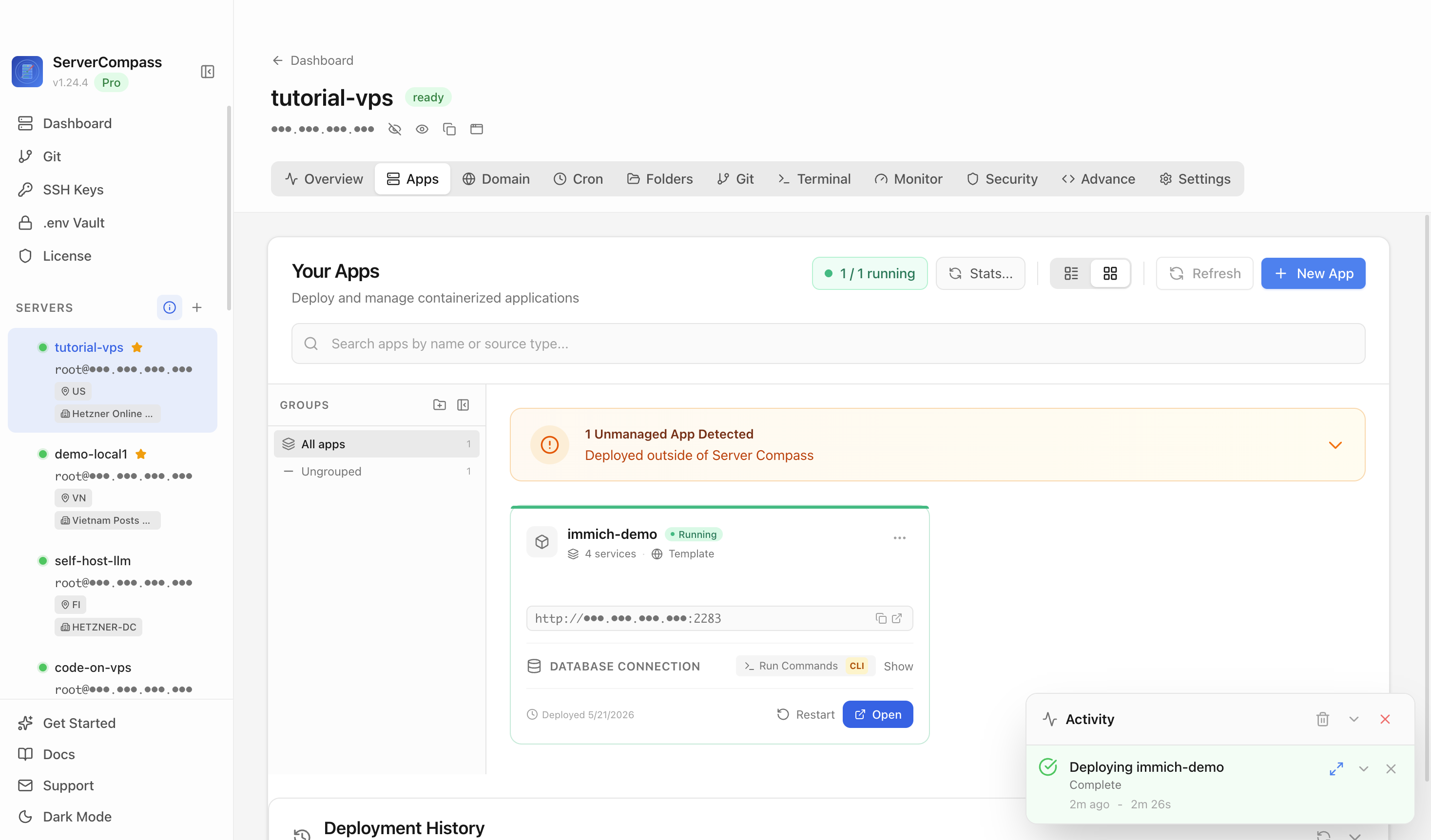
AI-assisted beginner deployments need a source-of-truth checklist before hosting breaks
Several fresh beginner threads point at the same gap between AI-generated instructions, website builders, GitHub, and real hosting. One user moved from Hostinger Horizon to Cursor/GitHub/Supabase to avoid higher builder pricing, but cannot tell why changes…
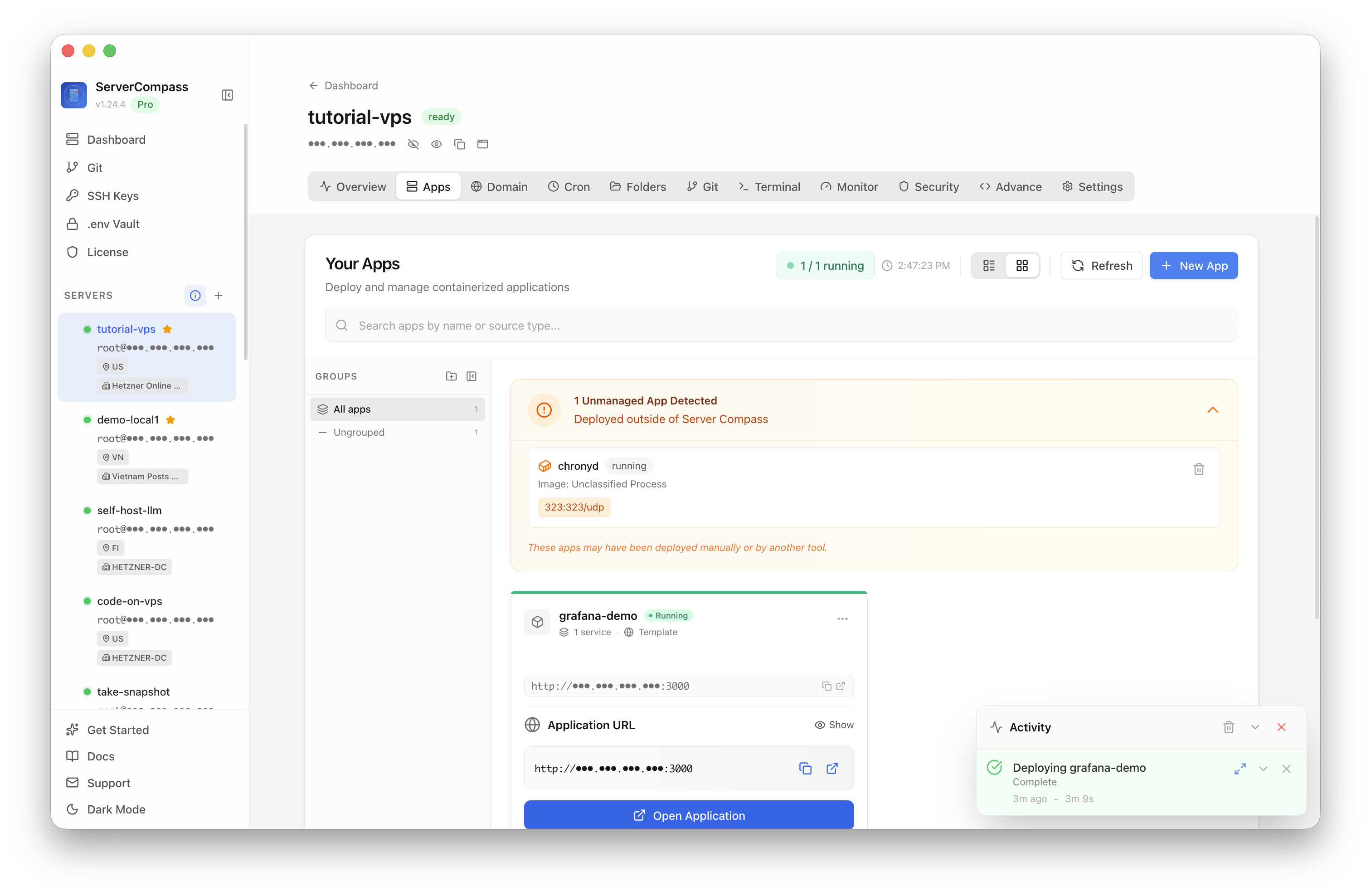
AI-assisted self-hosting breaks when logs, installers, and runtime state cross layers
Fresh support threads show a useful content angle: AI and docs can get users most of the way through self-hosting, but the hard failures happen across boundaries. One user spent two days trying to install uCore/CoreOS in a Proxmox VM with qcow2 and ignition…
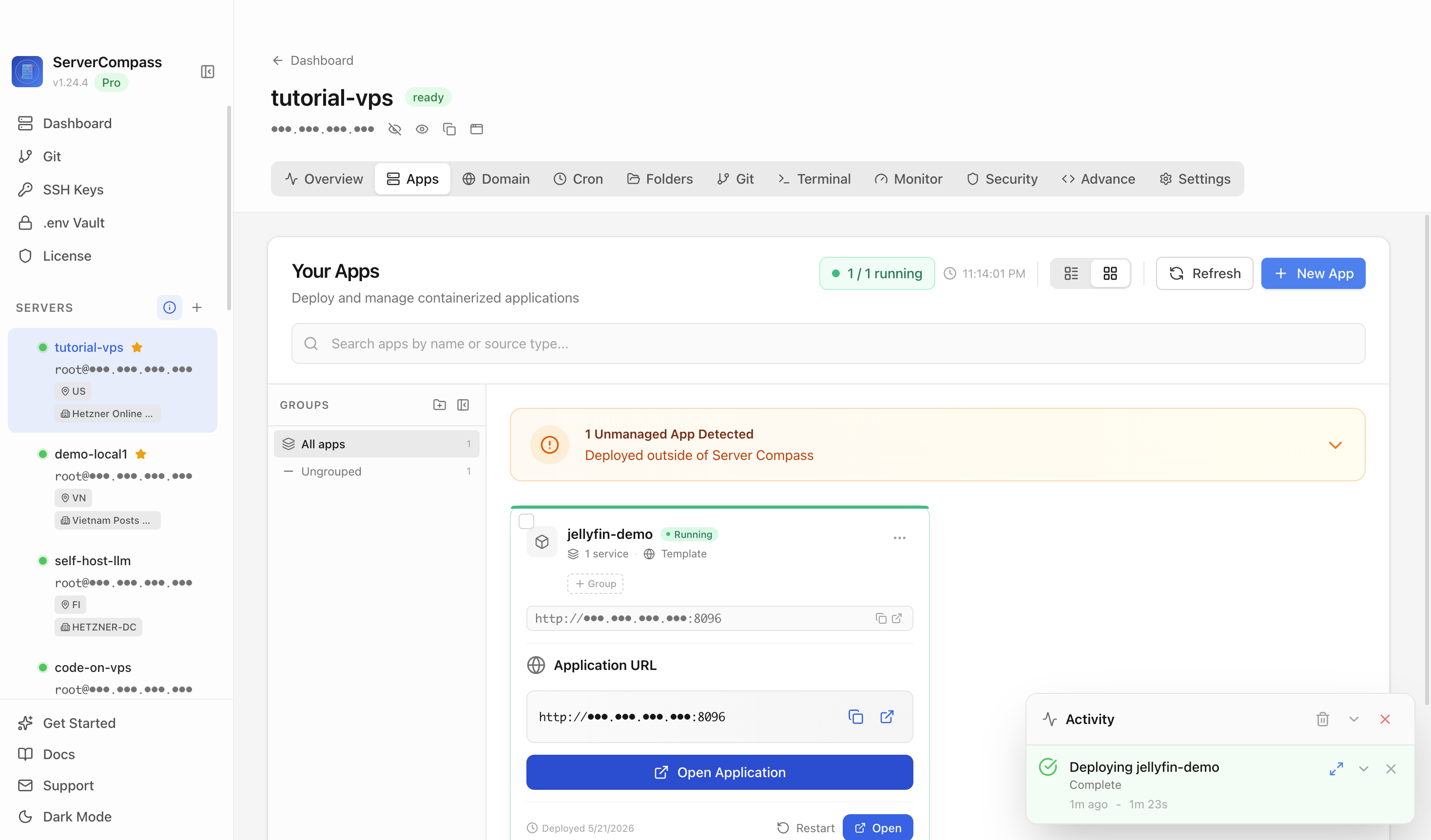
Beginner homelabs need an app-first checklist before buying storage, servers, or noisy rack gear
Very fresh homelab and self-hosted threads keep showing beginners choosing hardware before they have a stable application plan. One user already runs Immich and Jellyfin on an old laptop but is unsure what storage size, drive class, and server path fit a…
Beginners need one exposure model before mixing tunnels, reverse proxies, VLANs, and Tailscale
Fresh self-hosting threads show beginners combining the right words without a safe operating model. One new self-hoster wants Minecraft, Jellyfin, Tailscale, maybe NAS/cloud storage, Nginx, Cloudflare tunnels or DDNS, Docker or VLANs, fail2ban, firewall…
Container monitoring is moving from uptime dashboards to egress policy, backup-state widgets, and service-level proof
Fresh self-hosting posts point to a more specific monitoring need than simple green/red uptime. One homelab user running rootless Podman quadlet services wants per-container outbound blocking, domain allowlists, and traffic visibility but cannot see how to…
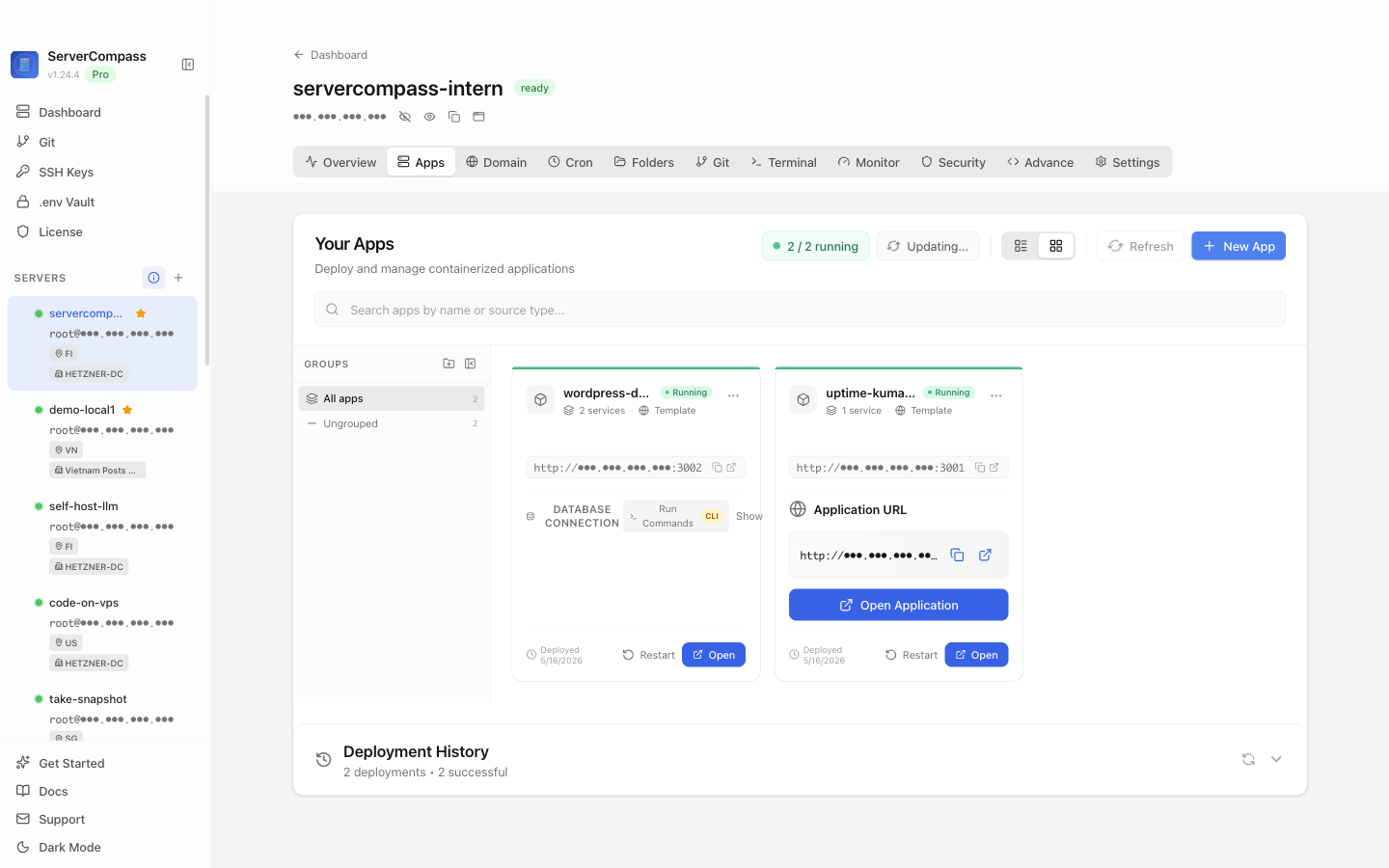
Small web app owners need deployment edge checks for domains, CORS, certificates, and managed-hosting handoffs
Fresh webdev and hosting threads show solo builders struggling at the boundary between app code and the platform edge. A MERN app with a Docker backend on Hugging Face Spaces and a Vercel frontend broke because an edge/proxy layer stopped returning the…
From the Deploy Handbook
Vercel, Railway, Render, Coolify and friends — compared on what they really cost.
Self-hosters want a simpler middle path before their containers turn into platform engineering
A fresh self-hosted thread asks what people cut back after their setups became too complex, while another documents a migration from one hardened Docker Compose VM into a TrueNAS-backed Nomad/Consul/Vault platform. Together they show the middle-market…
Compose stack managers are outgrowing Portainer before they actually need Kubernetes
Fresh self-hosted threads show operators stuck in the middle between a single Docker Compose VM and full platform engineering. One Portainer user is annoyed by git-cloned stack management and is evaluating Komodo, env repositories, TOML sync, and Ansible…
Small self-hosters need a migration preflight before Vercel, colo, or VPS changes become scary
Fresh Reddit threads show two versions of the same deployment anxiety. A freelancer with a simple React/D3 portfolio and Vercel-managed domain wants to leave Vercel but is unsure how risky the provider and domain move will be. A self-hoster with a colocated…
Ready to Find Your Perfect VPS?
Compare providers side by side with live pricing and real benchmark data. No stale information, no bias.