The Deploy Handbook
Platform comparisons, pricing breakdowns and alternatives for Vercel, Railway, Render, Heroku, Fly.io, Coolify and Dokploy — so you know what a deploy really costs before you commit.
Deployment Platform Comparisons
Head-to-head comparisons of deployment platforms and self-hosted PaaS: Vercel vs Railway, Coolify vs Dokploy, Render vs DigitalOcean and more.
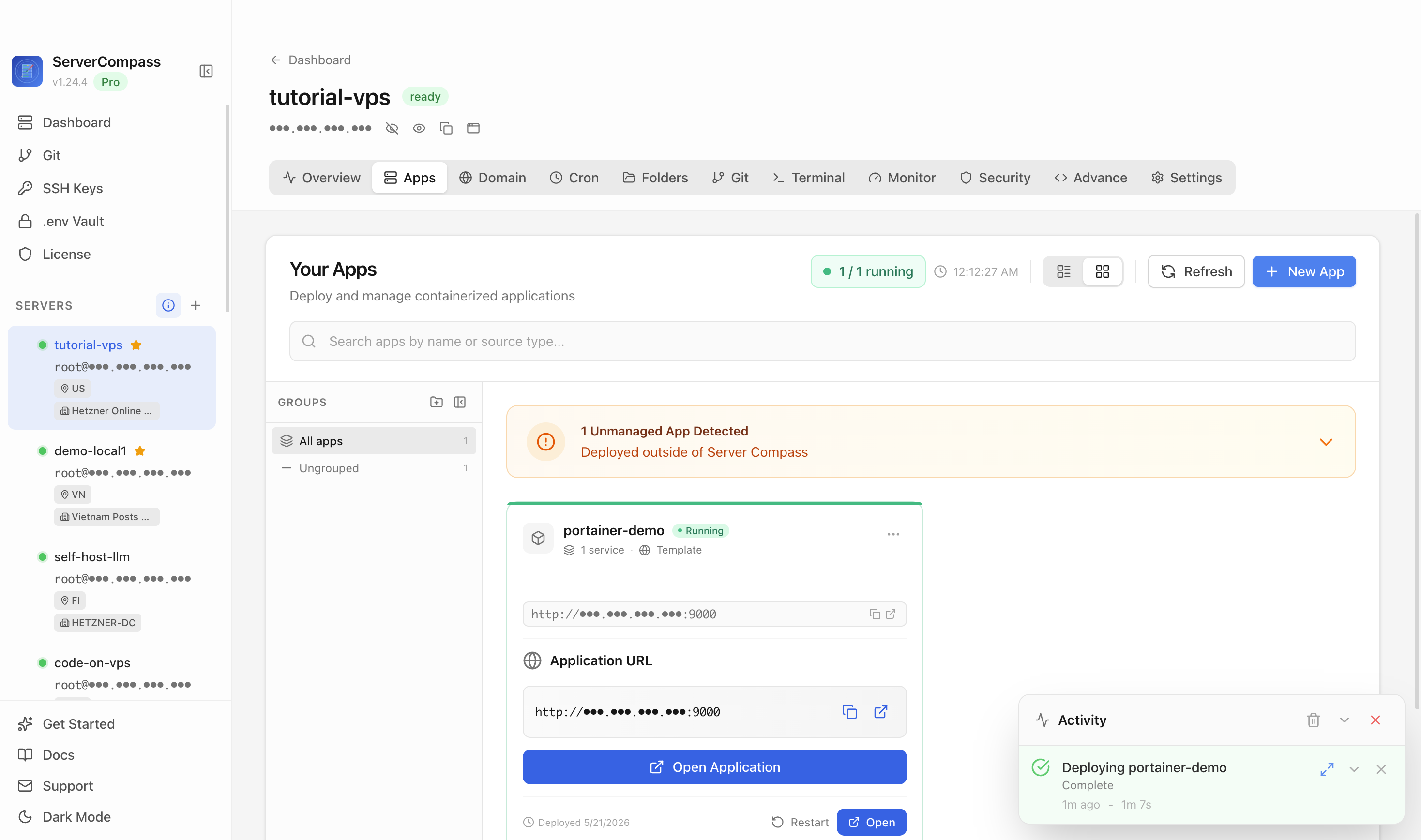
Self-hosters want a simpler middle path before their containers turn into platform engineering
A fresh self-hosted thread asks what people cut back after their setups became too complex, while another documents a migration from one hardened Docker Compose VM into a TrueNAS-backed Nomad/Consul/Vault platform. Together they show the middle-market…
Compose stack managers are outgrowing Portainer before they actually need Kubernetes
Fresh self-hosted threads show operators stuck in the middle between a single Docker Compose VM and full platform engineering. One Portainer user is annoyed by git-cloned stack management and is evaluating Komodo, env repositories, TOML sync, and Ansible…

Lighter Than Kubernetes: Compose vs Podman vs K8s for a Single-Node Homelab
You want more structure than loose docker run commands but suspect Kubernetes is overkill for one Proxmox box. A practical comparison of Compose, rootless Podman, Podman Kube, and lightweight K8s.

Hosted vs Self-Hosted Nextcloud for Small Teams: The Hidden Ops Costs Decide It
Managed Nextcloud's monthly fee looks expensive next to a $10 VPS — until you price the ops the host quietly does for you. A real hosted-vs-self-hosted comparison for small teams.

Proxmox panels vs lightweight deploy tools — which one do you actually need?
Homelab and VPS users keep conflating infrastructure management with application deployment. Here's how to tell whether you need a full Proxmox-style panel or just a deploy layer with monitoring.
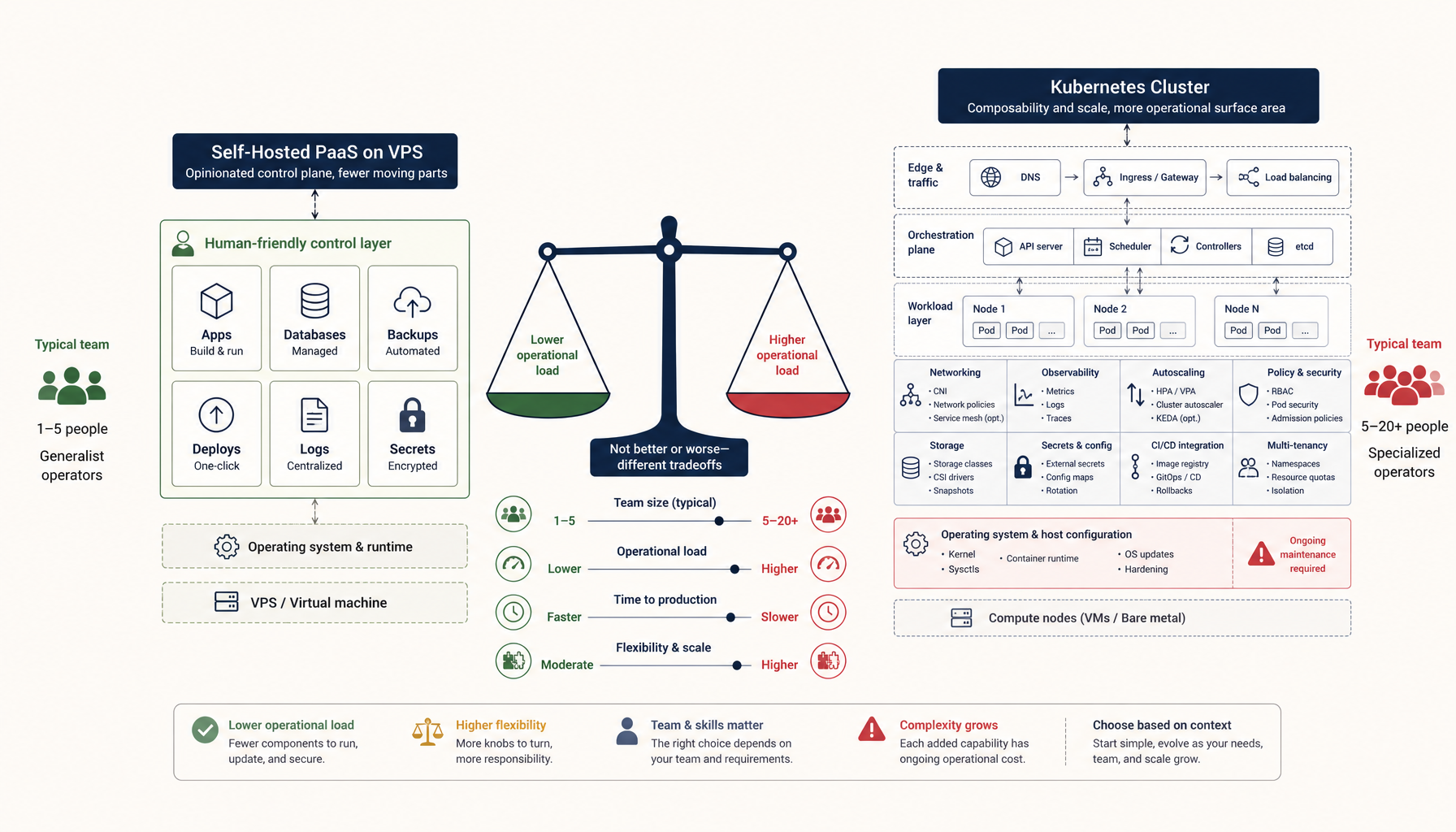
Coolify vs Kubernetes: Which Is Production-Ready for Your Team?
Coolify and Kubernetes live at opposite ends of an operational complexity scale. The honest sizing decision (it isn't binary).
Hosting Platform Alternatives
Cheaper and more flexible alternatives to Vercel, Heroku, Netlify, Render, Railway and DigitalOcean — including self-hosted options on a VPS.
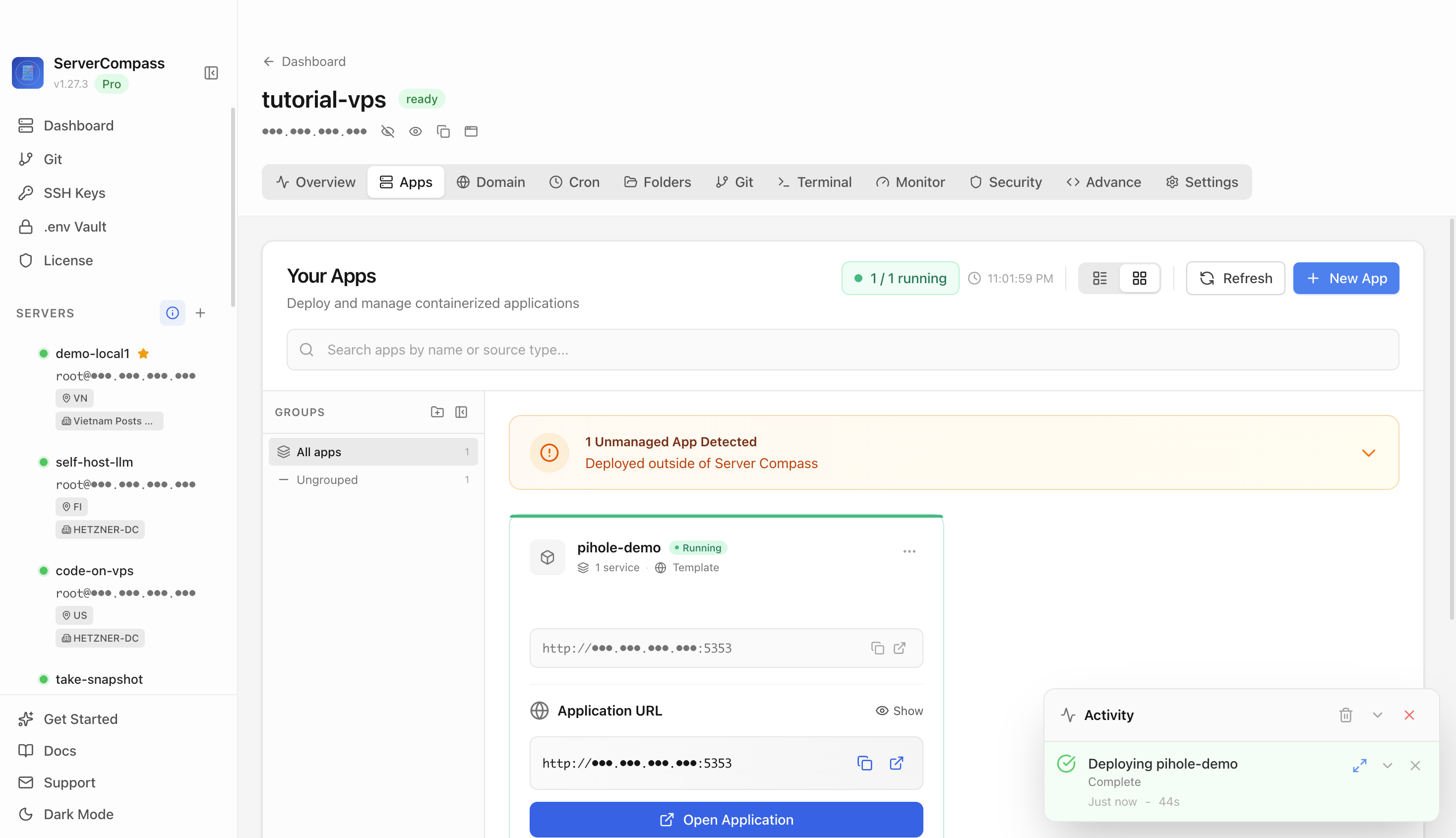
Small self-hosters need a migration preflight before Vercel, colo, or VPS changes become scary
Fresh Reddit threads show two versions of the same deployment anxiety. A freelancer with a simple React/D3 portfolio and Vercel-managed domain wants to leave Vercel but is unsure how risky the provider and domain move will be. A self-hoster with a colocated…
EU-Based Cloudflare Alternatives: Reverse Proxy, SSL Termination, and No-Ingress Edge Security
EU teams asking for a Cloudflare alternative usually want edge security under EU jurisdiction. A grouped comparison of EU CDNs, self-hosted EU edges, and no-ingress tunnels — and how to choose.
When Coolify API Limits Become a Team Provisioning Problem
Coolify is a strong self-hosted PaaS, but teams that need API-first project, team, and container provisioning should evaluate the workflow before standardizing on it.
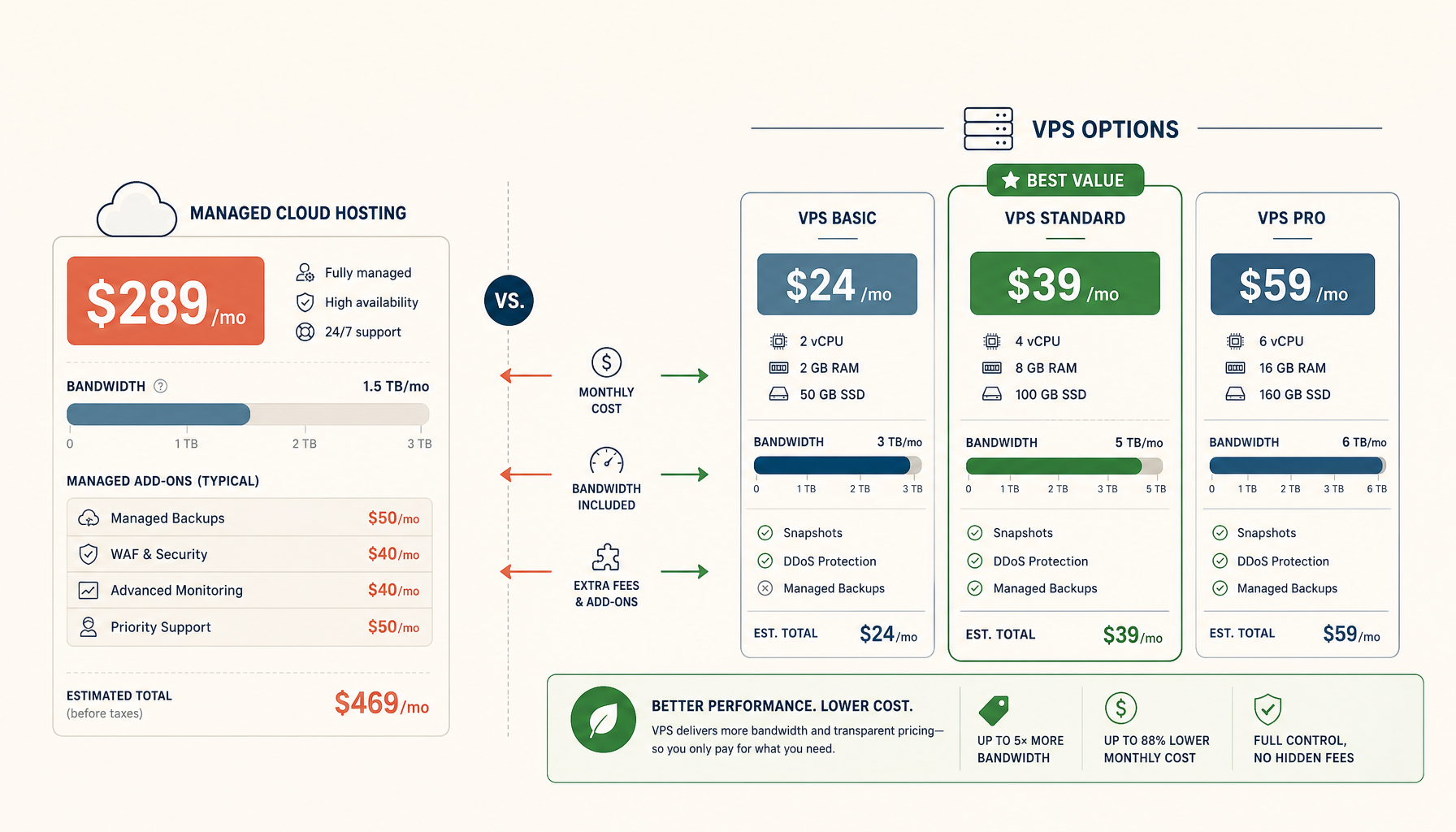
DigitalOcean Alternatives (2026): Better Value Exists
DigitalOcean was the value king. Now there are cheaper options with equal or better performance. Here is where to move.
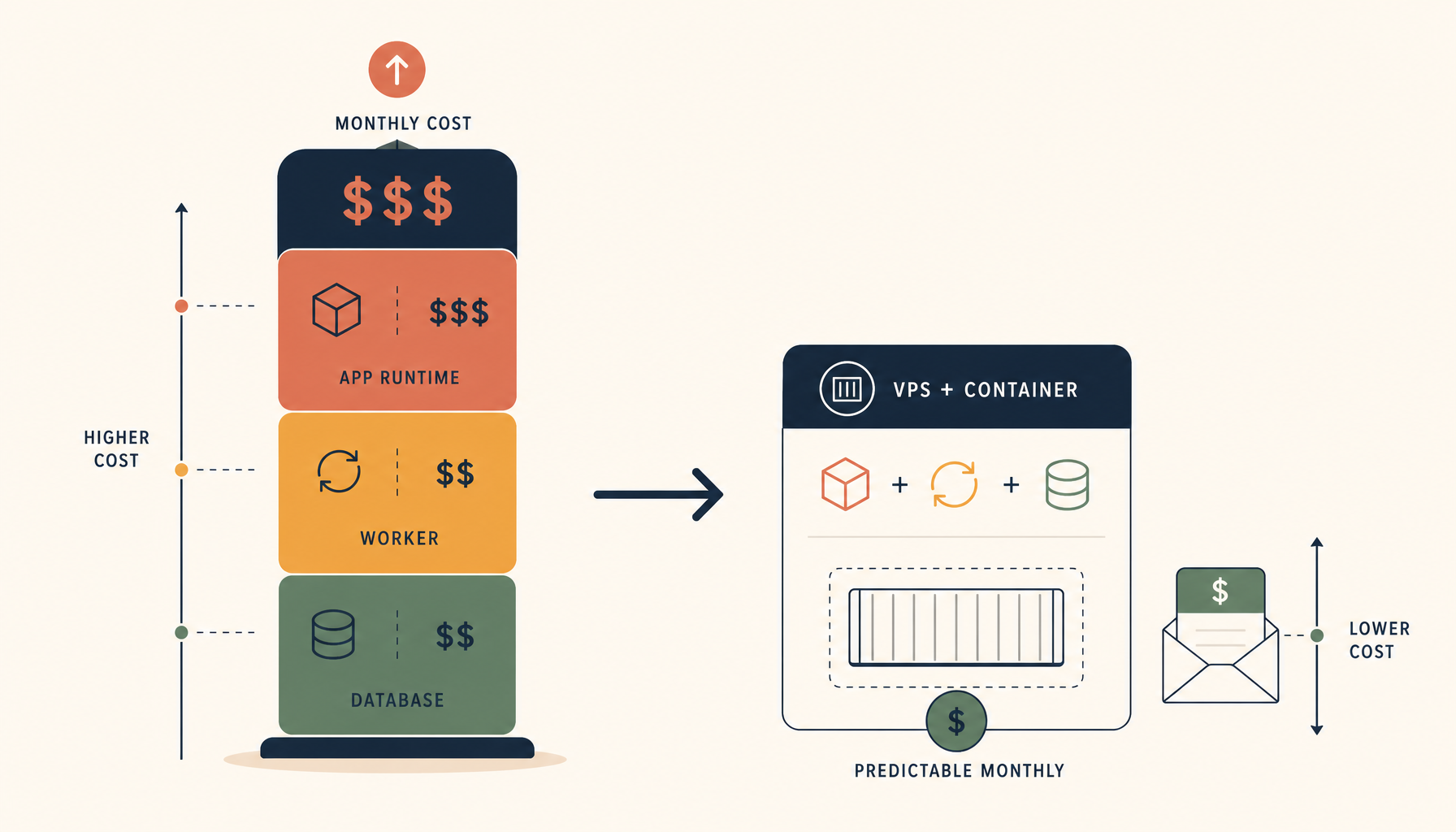
Heroku Alternatives (2026): Escape the Dyno Tax
Heroku pricing no longer makes sense for most teams. Here are the best alternatives with real cost comparisons and a clear winner.
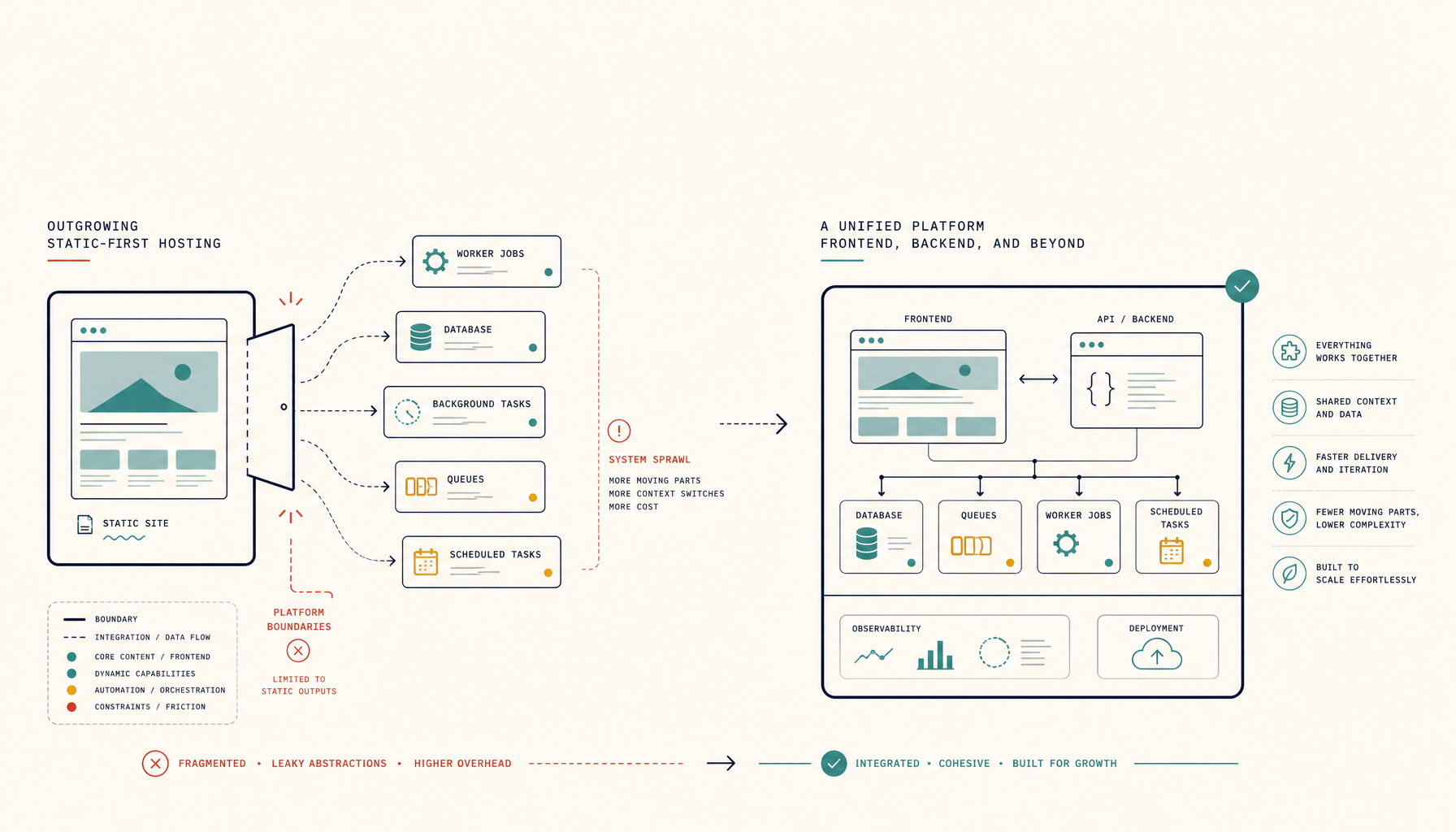
Netlify Alternatives (2026): What to Use Instead
A quick, honest set of Netlify alternatives for teams that outgrow static-first hosting or want more predictable pricing.
Hosting Pricing Breakdowns
What Vercel, Railway, Render, Fly.io and Hetzner actually cost in production — bandwidth, build minutes, seats and the line items that surprise you.
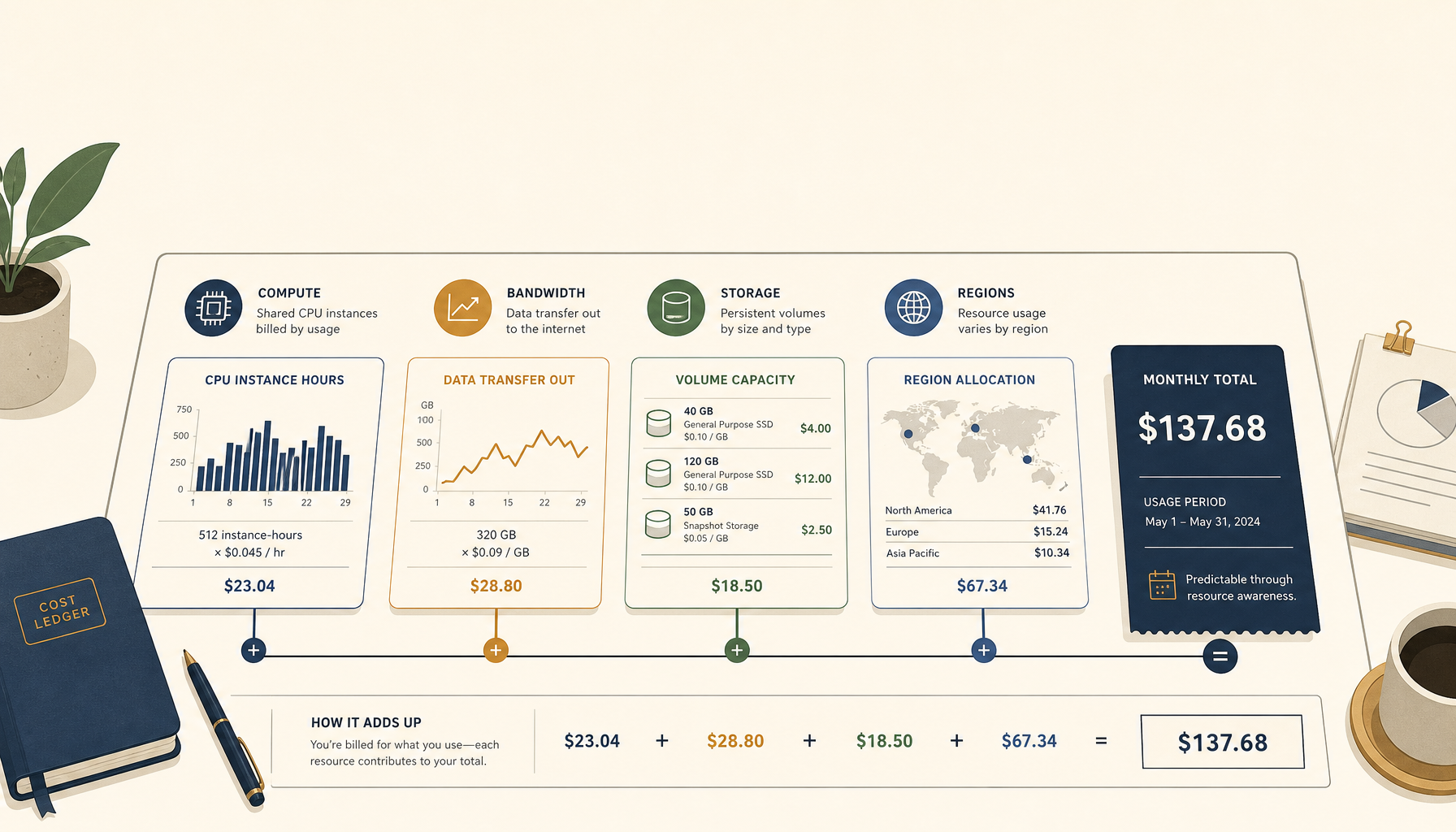
Fly.io Pricing Explained (2026): Shared CPU, Bandwidth, and Real App Costs
A practical Fly.io pricing walkthrough focused on what you actually pay for: shared CPU instances, bandwidth, storage, and the costs that surprise teams.
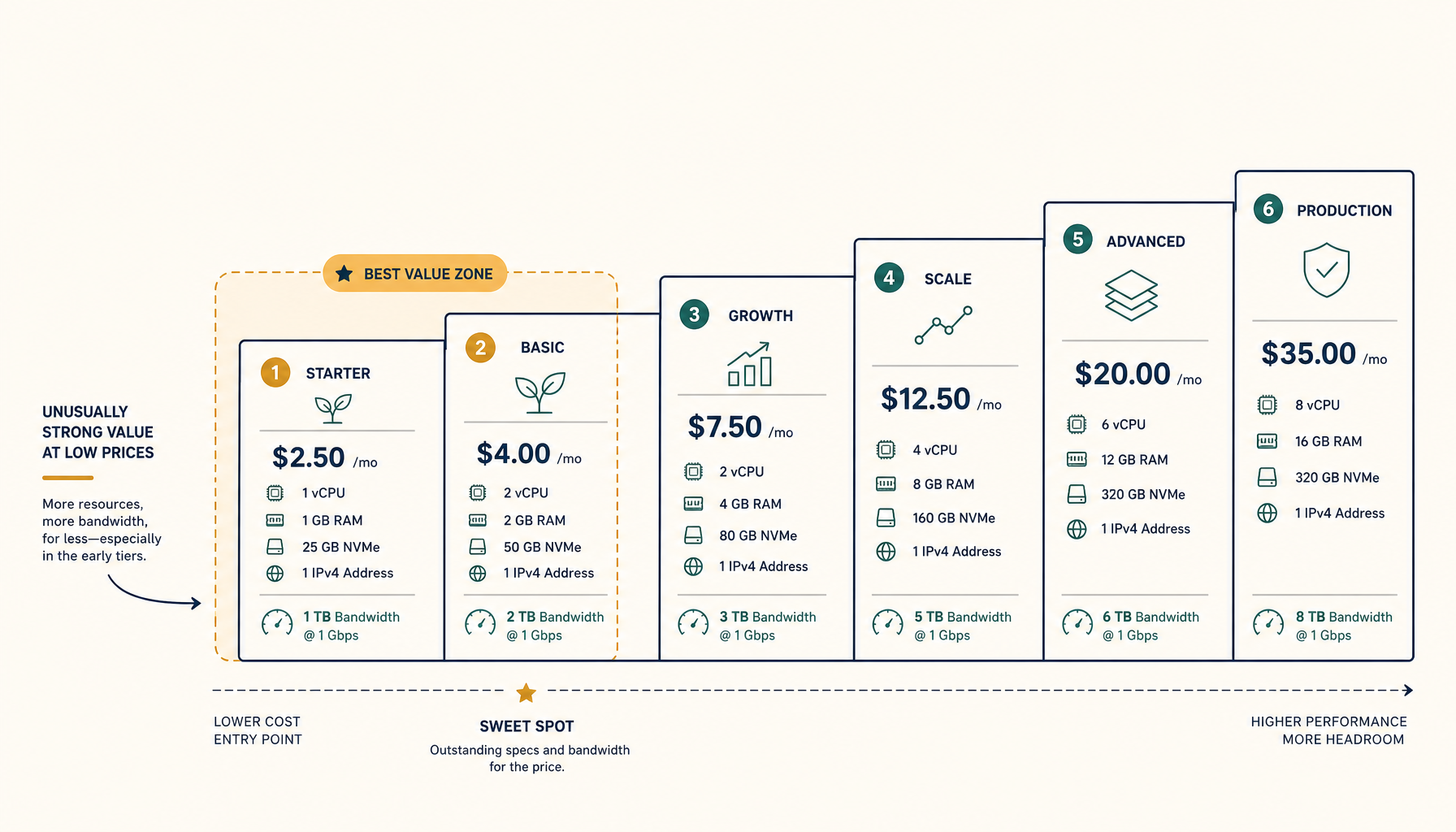
Hetzner Pricing Breakdown (2026): Best Value VPS for Developers
Hetzner Cloud pricing explained. Why European VPS pricing beats US providers, and what you actually pay for production workloads.
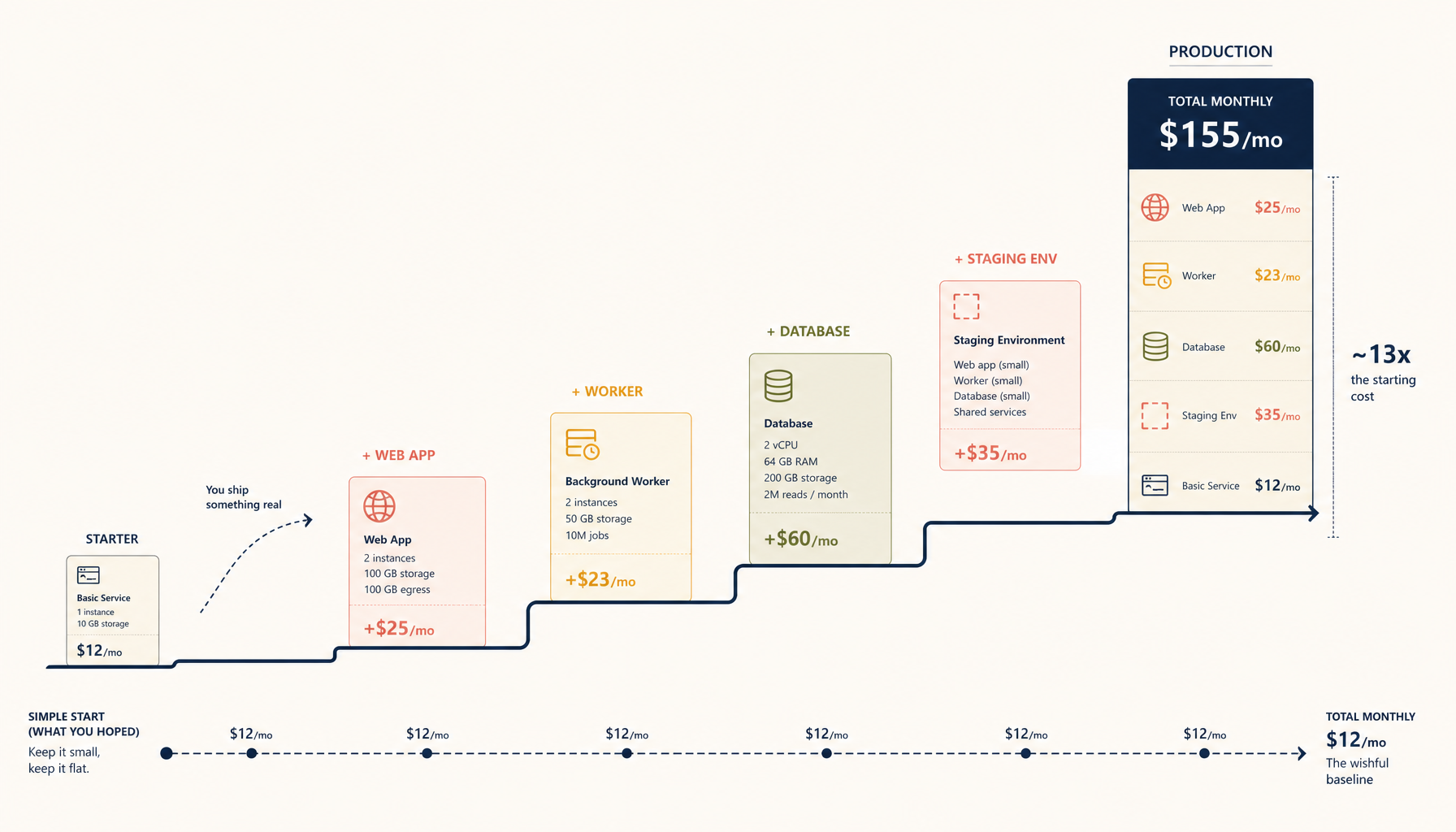
Railway Pricing 2026: Why Your $5 App Will Cost $40+ in Production
A realistic way to estimate Railway cost in production, what drives the bill, and when a VPS becomes the better deal.
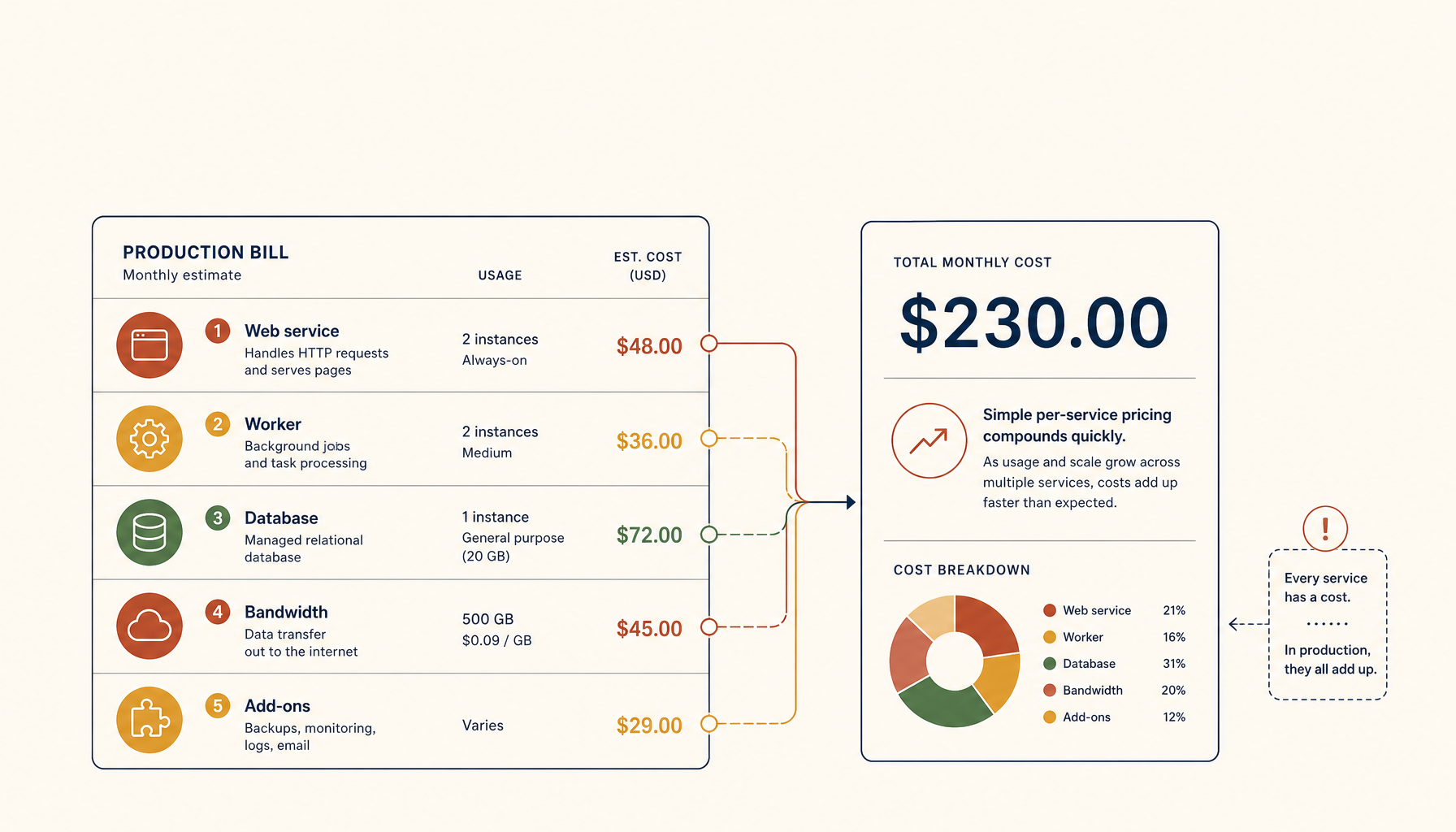
Render Pricing Breakdown (2026): What You Actually Pay
Render pricing explained with real cost examples. Per-service billing, bandwidth, and database costs that most teams underestimate.
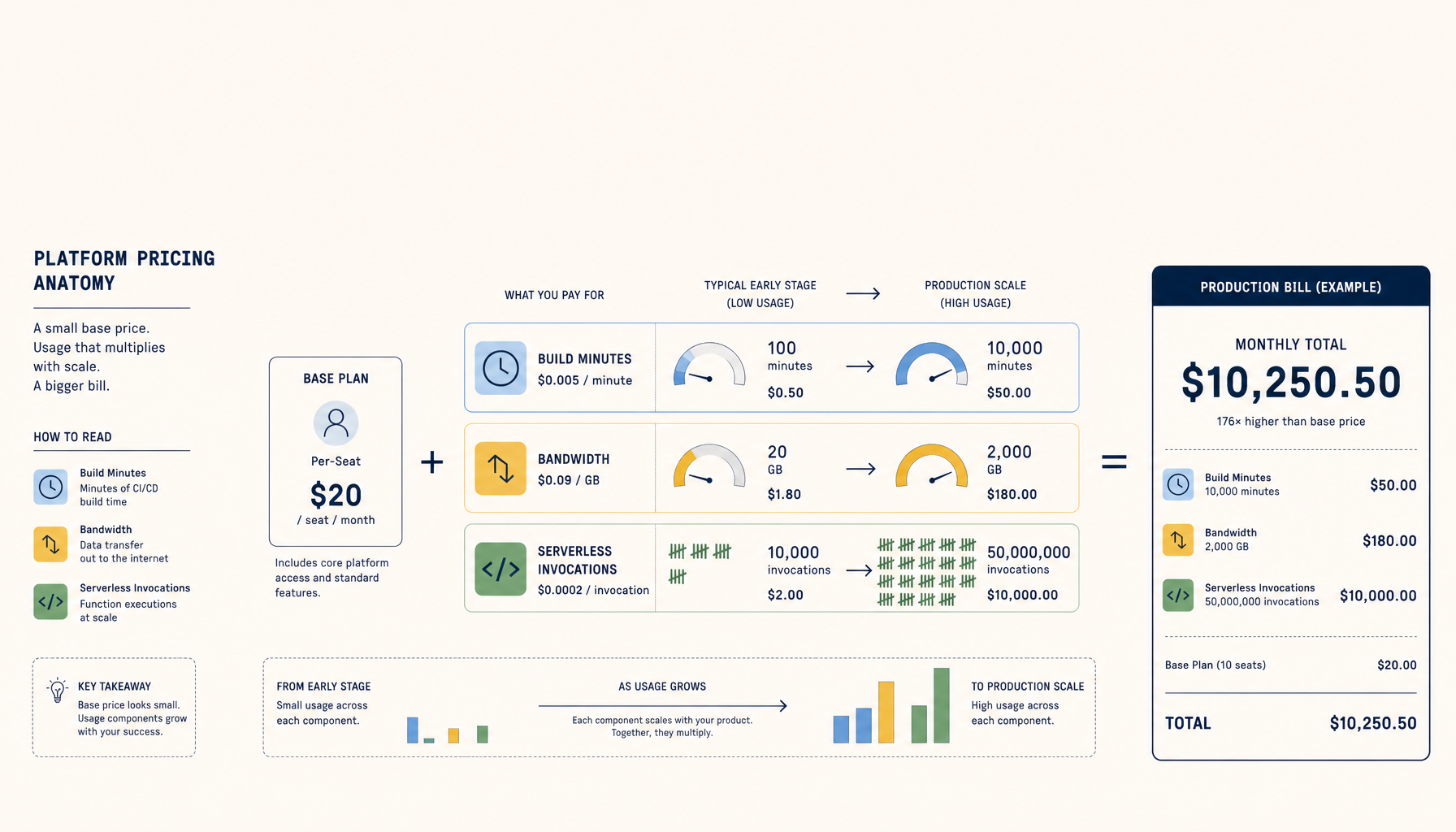
Vercel Pricing Breakdown (2026): Real Costs Explained
What Vercel actually costs in production. Build minutes, bandwidth, and serverless invocations add up faster than the pricing page suggests.
Best Deployment Tools & Platforms
Curated picks for self-hosted PaaS, cheap VPS hosting, uptime monitoring and app-health dashboards, with the trade-offs spelled out.
Push, Bind a Domain, See Logs: Self-Hosted PaaS Without the YAML Sprawl
CapRover, Coolify, Dokploy, or raw VPS? Self-hosters want the Vercel workflow — push code, bind a domain or tunnel, see logs — without hand-maintaining YAML. How the options actually compare.
How to compare GPU VPS providers without getting fooled by the cheapest hourly price
GPU VPS shoppers reach for the cheapest hourly rate and then discover the bill is double. Here's the comparison framework — workload, VRAM, bandwidth, region, setup friction — that actually predicts your monthly cost.

Best single-dashboard app health for self-hosters who aren't ready for Prometheus
Homelab and VPS users want one calm dashboard for app health — not a full observability stack. Here are the tools that hit the middle layer between SSH and Grafana.
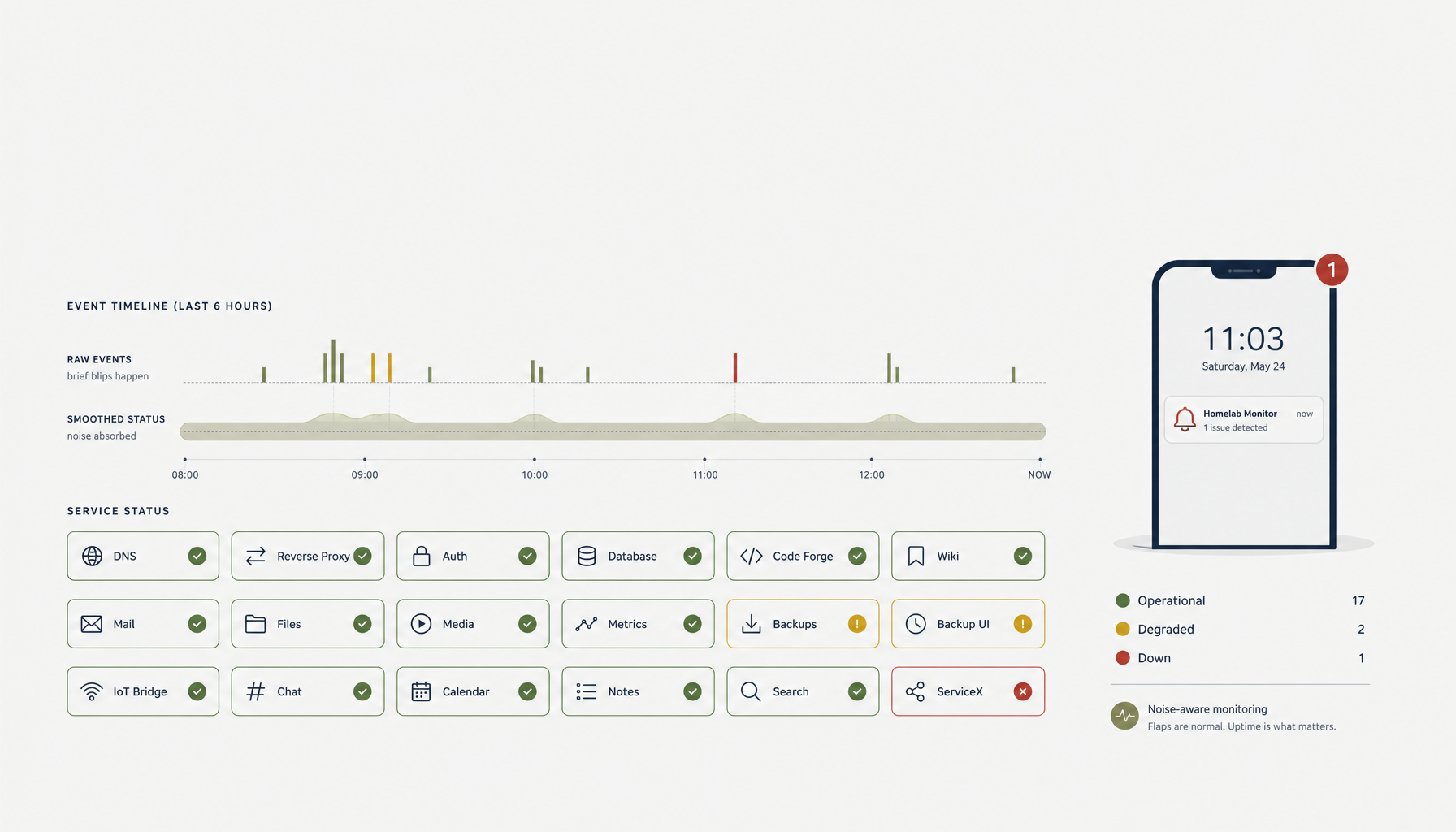
Low-noise uptime checks: alert thresholds that survive a homelab full of services
Run twenty self-hosted services on a homelab and the default uptime-check thresholds will page you ten times a week for nothing. Most of the noise is design, not bad luck — single-probe checks, no flap suppression, severity treated as binary. Here's the configuration that quiets the alerts without losing real outages.
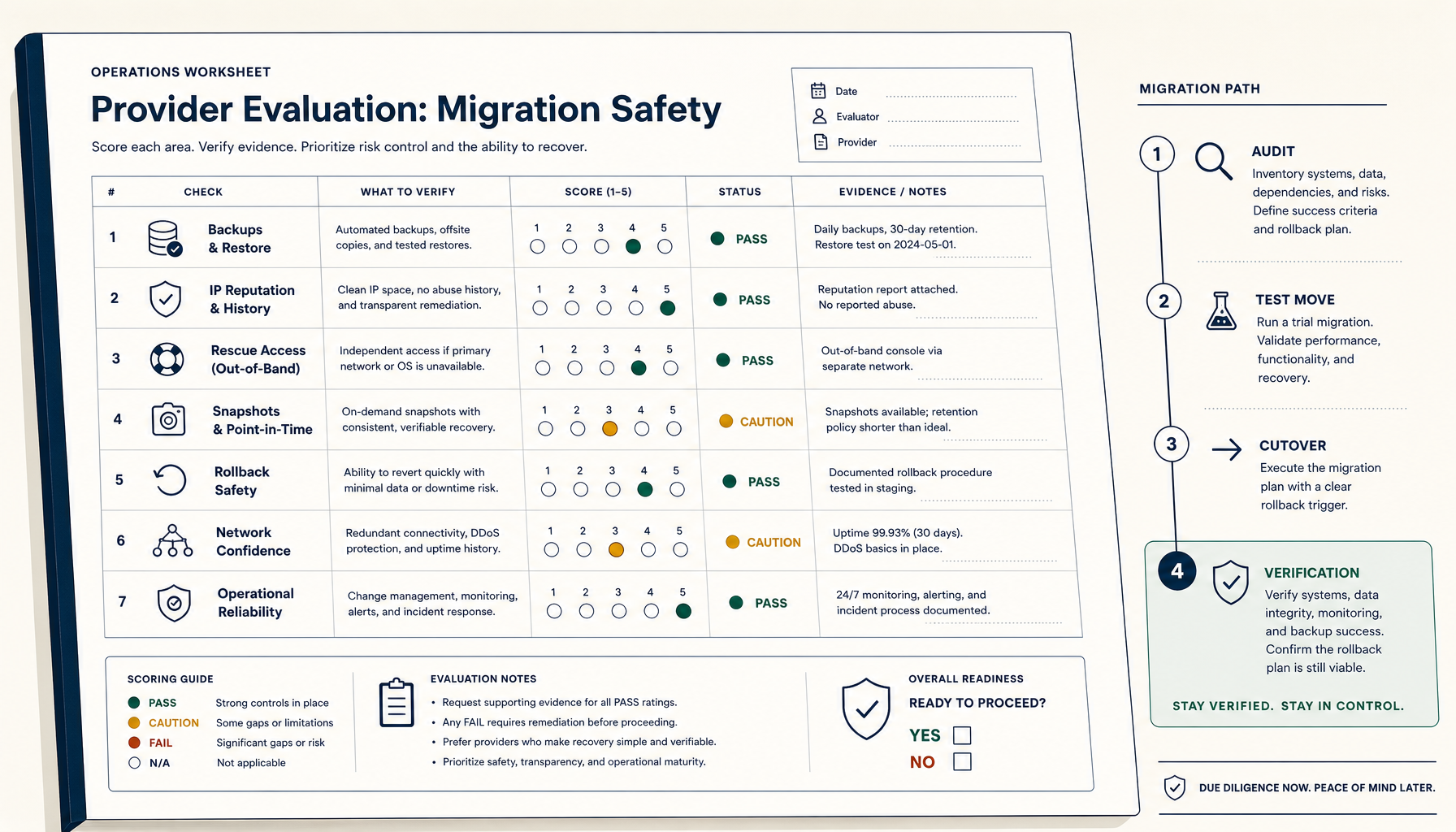
How to Evaluate a VPS Provider for Migration Safety (Not Just Price)
Most VPS migration disasters trace to the workflow, not the destination. The seven verifications and four-phase migration playbook.
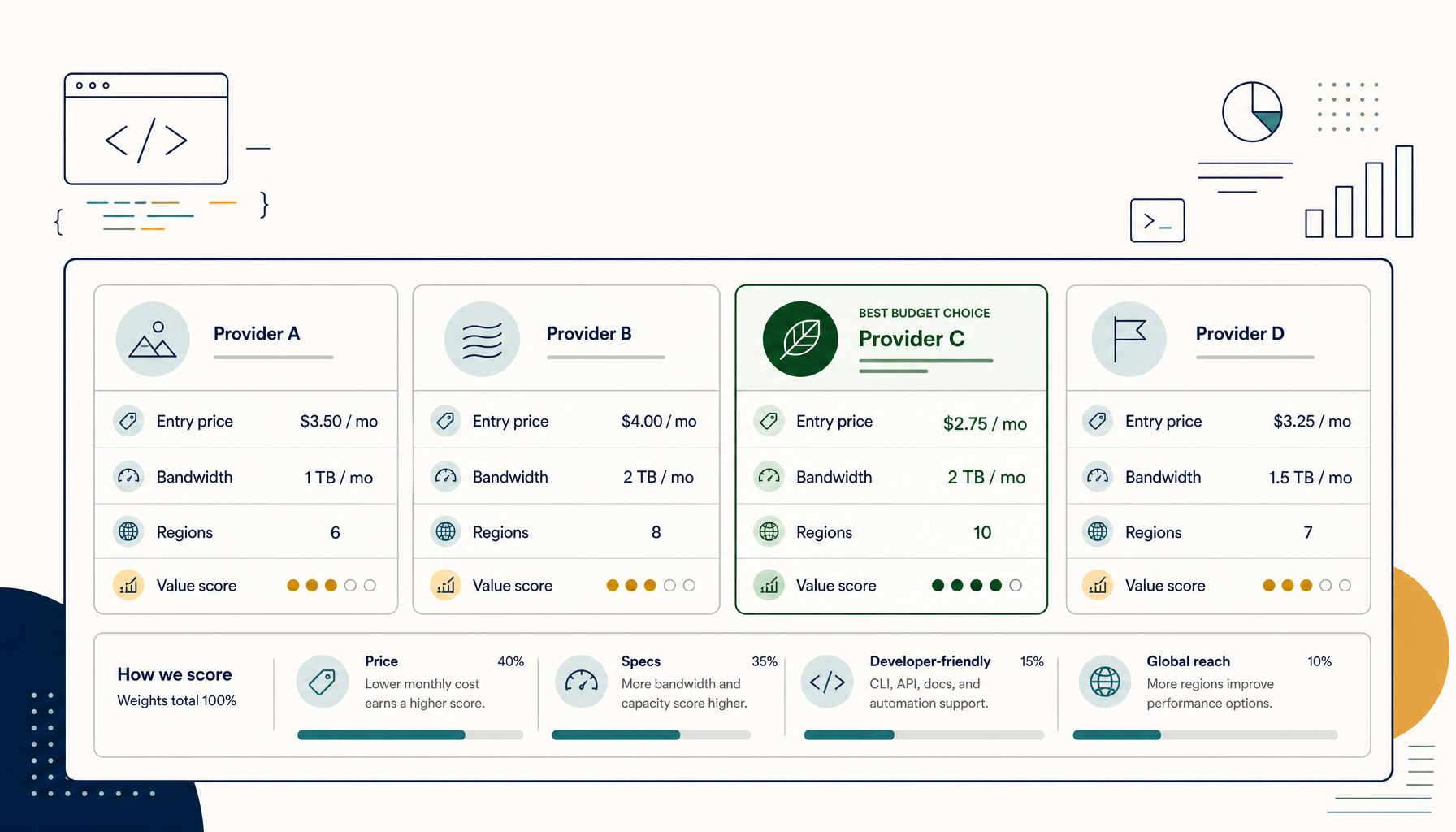
Best Cheap VPS for Developers (2026): Hetzner, DigitalOcean, Vultr, Linode
A practical comparison of budget VPS providers for developers. Real specs, real prices, and clear recommendations.